
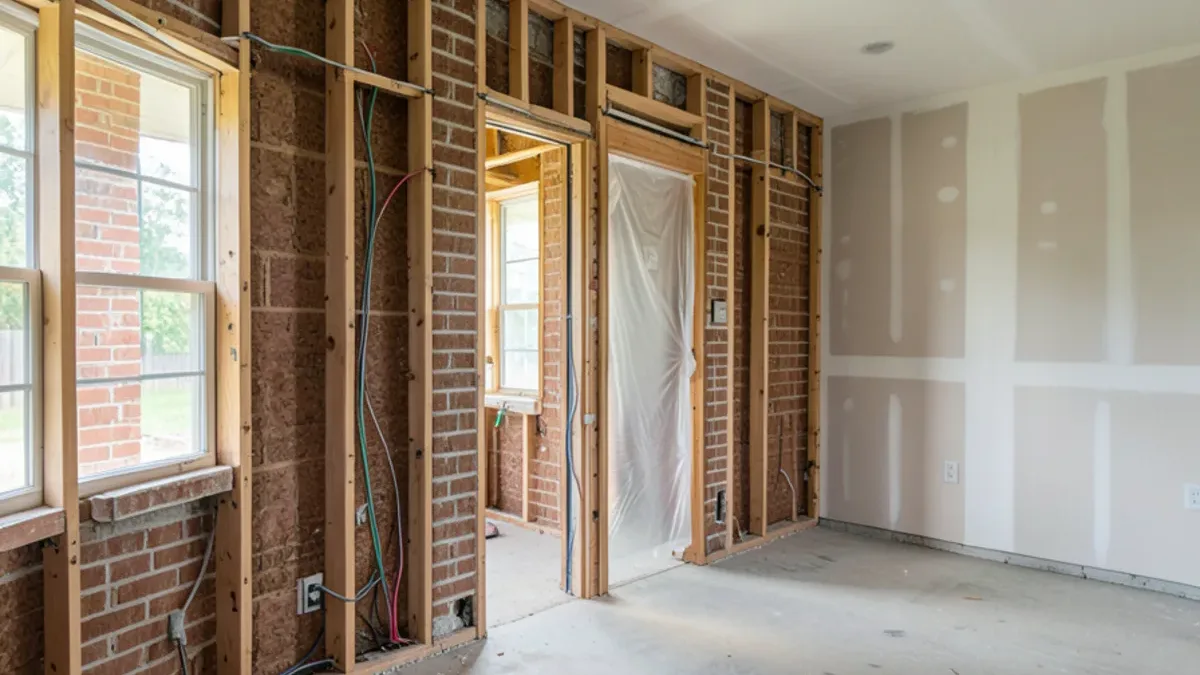
Whole-house remodel cost in DFW depends far more on scope than on square footage. A floors-and-paint refresh and a gut renovation with new wiring and a removed wall can differ several times over in the same house. Below are published ranges, the cost drivers and how to phase a whole-house remodel so money lands where it matters.
What Do Published Figures Say About Whole-House Remodel Cost?
National cost guides give a starting point, not a quote. According to Angi's house renovation cost guide (2026 data), renovations commonly run about $15 to $60 per square foot, and high-end finish work can push past $150 per square foot. On a 2,000-square-foot house, that arithmetic lands roughly between $30,000 and $120,000 before premium finishes.
Read those numbers carefully. National averages blend cosmetic jobs with larger ones, and they rarely capture structural engineering, a full rewire or replumbing a slab house. None of these figures is our price; a real number comes only from measured drawings and chosen materials.
What That Range Looks Like on Three Common House Sizes
Applying Angi's $15 to $60 per square foot to typical DFW floor plans shows how quickly scope outruns size. This is arithmetic on a national figure, not a local quote.
| House size | Low end ($15/sq ft) | High end ($60/sq ft) |
|---|---|---|
| 1,500 sq ft ranch | $22,500 | $90,000 |
| 2,000 sq ft ranch or two-story | $30,000 | $120,000 |
| 2,500 sq ft two-story | $37,500 | $150,000 |
The spread inside each row is wider than the spread between rows. A 1,500-square-foot house with a gutted kitchen, two new baths and a rewire can cost more than a 2,500-square-foot house that only needs floors and paint.
Context helps too. The U.S. Census Bureau puts the median value of an owner-occupied home in Dallas at $320,700, so a large remodel can represent a big share of a typical home's value. That ratio is worth weighing before you settle on scope.
Planning a Home Remodeling Project?
Six Design Group designs and builds kitchens, baths and floors from Lake Highlands. Call to talk through your home and get a written scope.
- 34 Google reviews
- Design and build under one team
- Based in Lake Highlands, Dallas
- Mon–Fri 9 am–5 pm
Scope Tiers: From Refresh to Gut Renovation
Most whole-home projects fall into one of four tiers. Each step up adds trades, permits and time, which is where the cost climbs.
| Scope tier | Typical work | What drives the cost |
|---|---|---|
| Cosmetic refresh | Paint, new flooring, light fixtures, hardware, painted cabinets | Square footage of floor and wall, number of rooms |
| Mid-scope remodel | New kitchen cabinets and counters, one or two baths, flooring throughout, doors and trim | Cabinet line, tile labor, number of bathrooms |
| Full renovation | Layout changes, new plumbing and electrical runs, one wall removed | Engineering, permits, licensed trades, patching |
| Gut renovation | House taken to the studs, mechanical systems replaced, insulation and new drywall | Everything above plus code upgrades throughout |
The jump from mid-scope to full renovation is usually the largest. Once walls move or plumbing relocates, the work needs engineering, inspections and more patching of floors and ceilings.
The Cost Drivers That Move a DFW Remodel Budget Most
A handful of decisions account for most of the spread between a modest and a large whole-home budget.
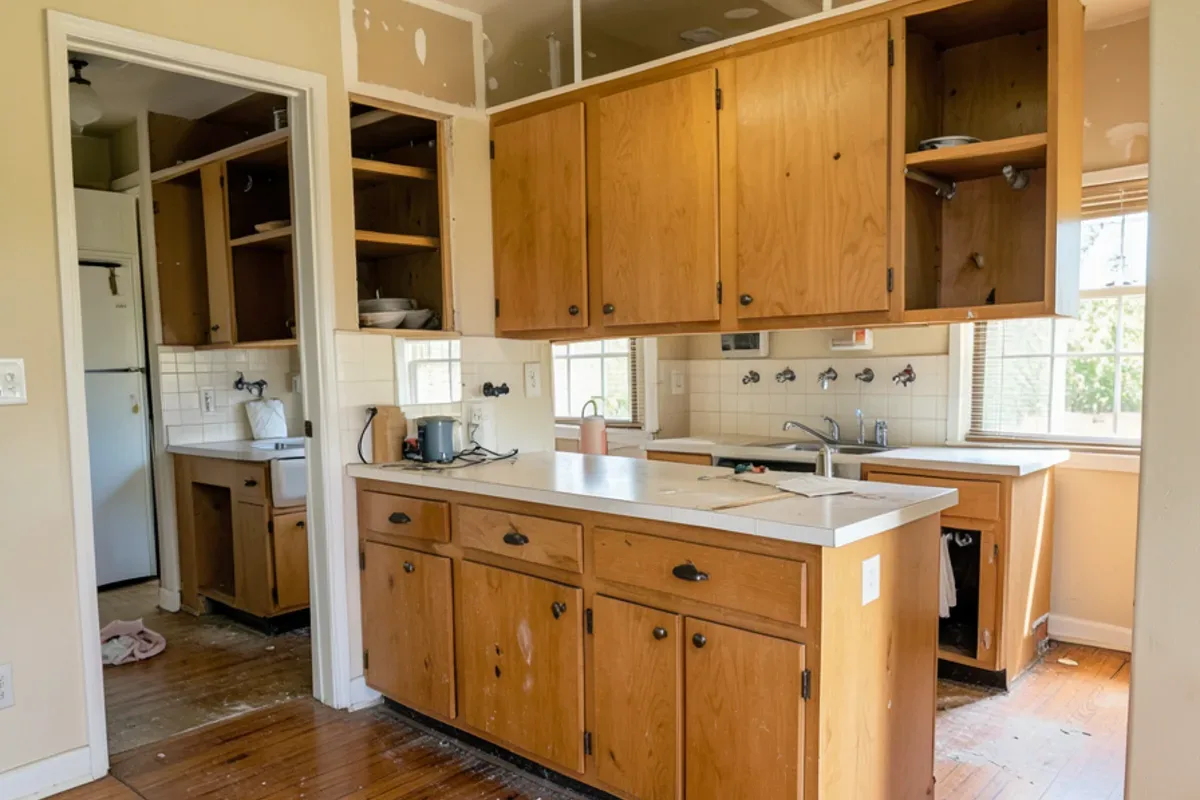
- Kitchens and bathrooms. These rooms concentrate plumbing, wiring, cabinets, tile and stone, so each added bath raises the total more than a bedroom does.
- Moving plumbing on a slab. Most DFW houses sit on concrete slabs. Relocating a drain means cutting and trenching the slab, a plumbing permit and a TSBPE-licensed plumber.
- Structural changes. Removing a load-bearing wall adds an engineer, a beam, shoring and inspections.
- Electrical capacity. Older homes with small panels may need a service upgrade before a modern kitchen can run, and that work belongs to a TDLR-licensed electrician.
- House age. Pre-1978 homes fall under the EPA lead renovation rule, and older homes often hide galvanized supply pipe or cast-iron drains.
- Finish level. Custom cabinets cost more than semi-custom, quartzite usually costs more than quartz, and large-format or patterned tile adds labor.
- Foundation movement. The Blackland Prairie clay under much of the area swells and shrinks. If floors are out of level, foundation repair by a specialist should come before new tile.
What a Whole-House Remodel Budget Includes Beyond Construction
A whole-house budget has to carry costs that never show up as a finished surface. Leave them out and the project looks affordable on paper, then runs short halfway through. Build these lines into the plan from the start:
- Design and drawings. Measured plans and selections for every room, so pricing rests on the same document the crew builds from.
- Structural engineering. Required when a load-bearing wall moves or a beam is added; the engineer's design goes with the permit set.
- Permit and inspection fees. Set by the city where the house sits, and often filed as separate building, plumbing and electrical permits.
- Lead-safe work in pre-1978 homes. Containment, cleaning and verification under the EPA Renovation, Repair and Painting rule add labor and days.
- Temporary housing and storage. A rental or a stay with family, plus storage for furniture while floors and walls are open.
- Appliances and fixtures. Often priced separately from labor, and their sizes set cabinet and electrical plans.
- Contingency. This Old House builder Jeff Sweenor advises holding 15 to 20 percent of the budget in reserve for large renovations, and the magazine notes that its contractors treat 10 percent as the minimum.
Older houses argue for the top of that reserve range, because the wiring, pipe and subfloor condition stay unknown until walls and floors come up.
How Location Shapes Remodel Cost in Dallas, Plano and Dallas County
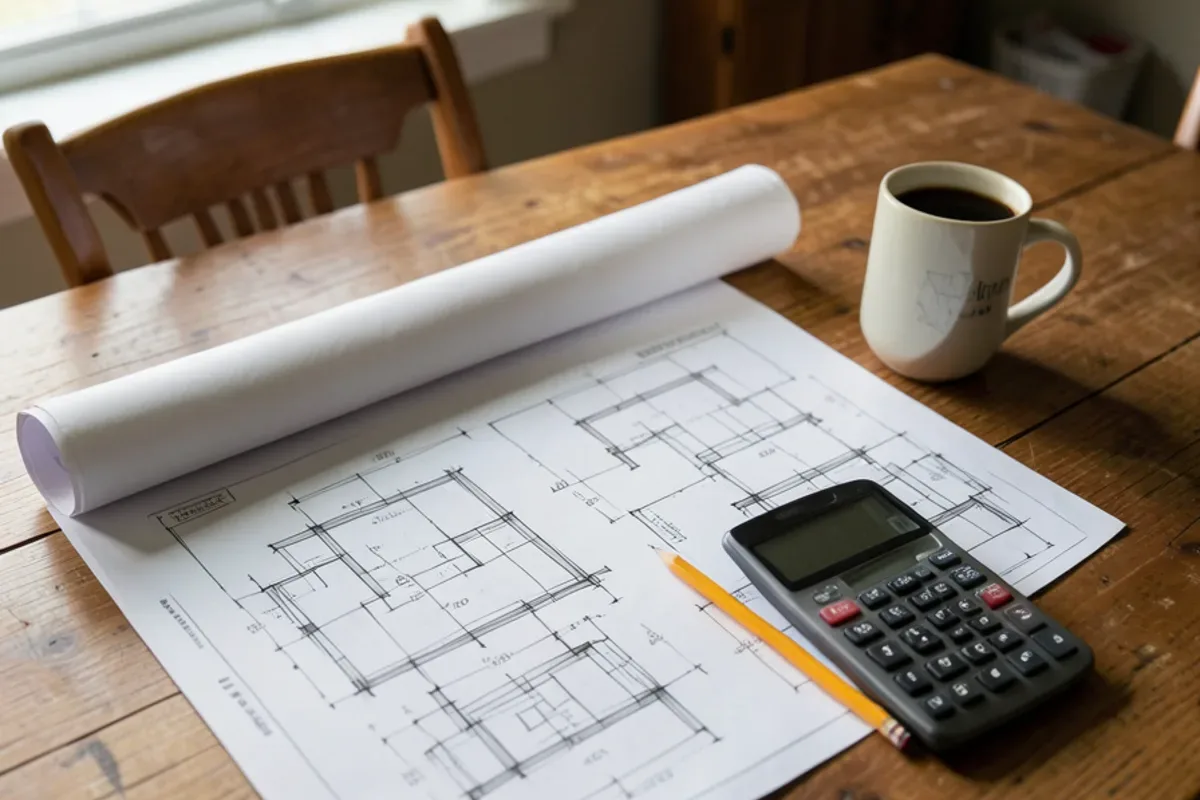
Where the house sits changes both the surprises and the paperwork. In Dallas, neighborhoods such as Lake Highlands, Lakewood and Oak Cliff mix 1920s to 1960s homes, some on pier-and-beam foundations, many with original galley kitchens. Those houses tend to need electrical and plumbing upgrades once walls are open. Point2Homes puts the median year built for Dallas housing at 1981, which means roughly half the city's homes are older than that, and many predate the 1978 cutoff for the federal lead rule.
In Plano, east and central neighborhoods built in the 1970s to 1990s more often keep original cabinets, tile counters and cultured-marble baths. The structure is usually newer, so budgets lean toward finishes rather than systems. Plano is about 30 minutes from our Lake Highlands base.
Across Dallas County, every city runs its own permit and inspection office, with its own review times and fees. Check with the building department where the house is located before you set a start date.
Phasing a Whole-House Remodel Without Paying Twice
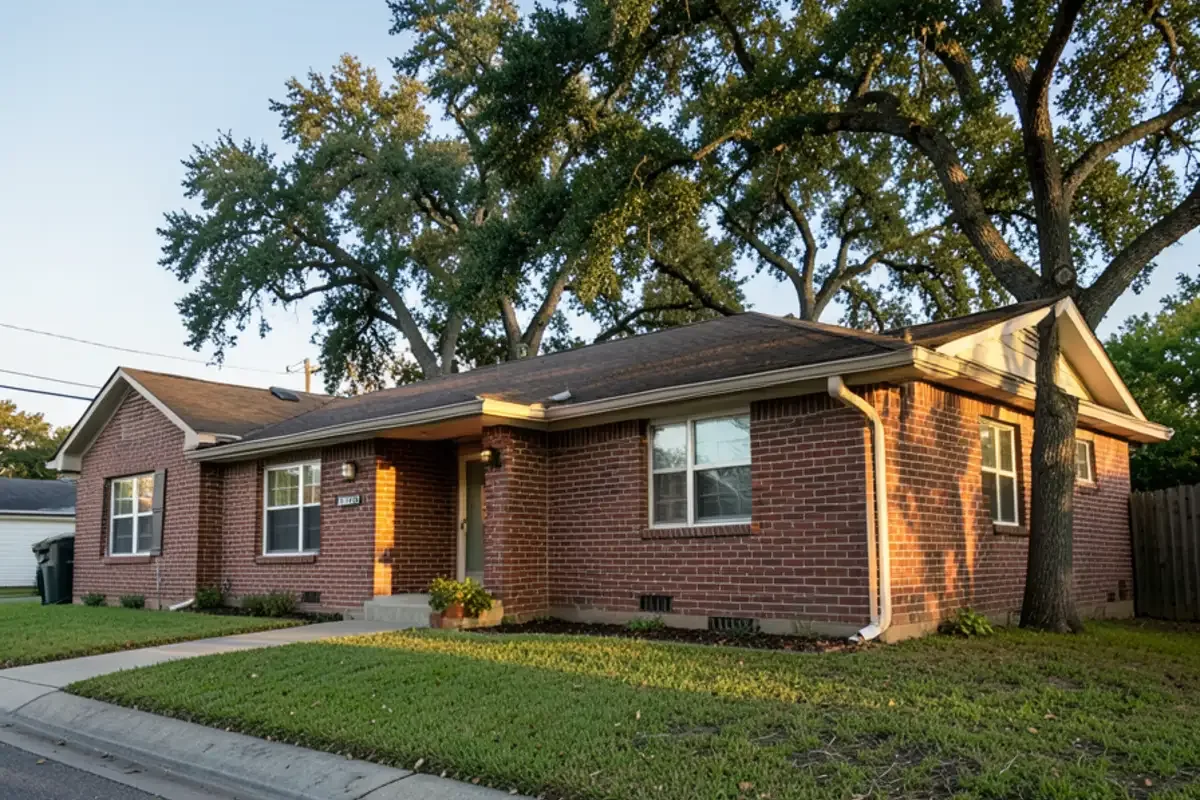
If the budget will not cover everything at once, the order of work matters more than the speed. Doing rooms in the wrong order is the most common way homeowners pay for the same work twice.
- Structure and envelope first. Foundation repair, roof leaks and any wall removal come before finishes.
- Systems next. Panel upgrades, new circuits, supply lines and drain repairs happen while walls and floors are open.
- Kitchen and baths. Cabinets, counters, tile and fixtures go in once the systems behind them are done.
- Floors through the house. New flooring or refinishing runs continuous after heavy work is finished.
- Paint and trim last. Final paint covers patching from every earlier phase.
Refinishing hardwood before a kitchen remodel, then damaging it during cabinet installation, is a classic and costly mix-up.
When Doing It All at Once Saves Money
One continuous project avoids paying twice for setup. Each separate phase brings its own demolition, dust protection, permit filing, inspection visits and trade scheduling, and a finished room sometimes has to be reopened to run a new circuit or supply line to the next one. If you can move out for the heavy months, a single pass usually costs less in total. Phasing still makes sense when cash flow, school calendars or the need to stay in the house outweigh the savings.
What Our Project Leads See on Whole-Home Budgets
Our project leads find that budgets hold when every room is designed and selected before demolition starts. Because design and construction sit with one team, the drawings, the material list and the price come from the same plan, which leaves fewer gaps for change orders to fill.
The other lesson is to budget for what sits behind the walls. In houses from the 1950s to the 1970s, opening a wall can show brittle wiring or corroded pipe. Homeowners who set aside a contingency for those finds make calmer decisions when one appears. We also price those likely surprises as named line items where we can, such as replacing a section of drain or adding a circuit, so the decision is already written down if the wall shows the problem.
The trade-off we raise honestly is finish level against systems. A homeowner can put the same dollars into a quartzite island or into a new panel and supply lines. We will tell you which one the house needs first, even when the finish is the more exciting choice.
Clients have said as much. Hunter D. noted in a Google review that the project was kept on budget, and Chris M. described a long, complex renovation covering the kitchen, wood floors, tile and cabinets.
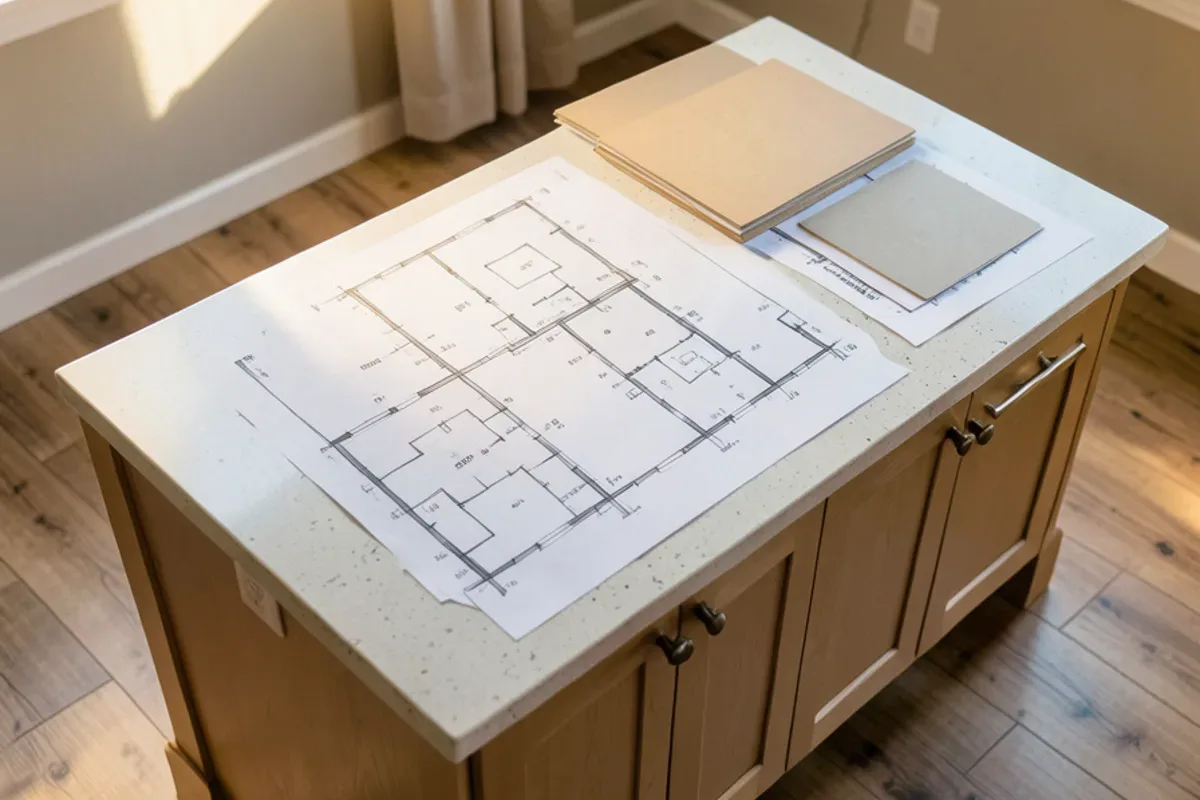
Planning Your Own Whole-House Budget
Start with the tier that fits your house, list the systems that are past their life, and decide which rooms truly need to change. That outline turns national averages into a plan you can price.
When you are ready to see what your home's scope looks like on paper, review how a whole-house remodel runs from design to final walkthrough, or browse our wider home remodeling in Dallas work, then request an estimate.
Quick Answers on Whole House Remodel Cost DFW
Is it cheaper to remodel the whole house at once or one room at a time?
Does a whole-house remodel in Dallas need a permit?
Can we live at home during a whole-house remodel?
How long does a whole-house remodel take in Dallas-Fort Worth?
Sources
- Angi, How Much Does It Cost to Renovate a House? (2026 data)
- U.S. Census Bureau QuickFacts, Dallas city, Texas
- City of Dallas Building Inspection
- Texas Department of Licensing and Regulation
- This Old House, Plan Your Next Remodel Like a Pro: How to Cut Costs, Not Corners
- Point2Homes, Dallas demographics
- U.S. EPA, Lead Renovation, Repair and Painting Program

Written by the Six Design Group team
Design-build remodelers based in Lake Highlands, Dallas. We plan and build kitchens, bathrooms, floors and whole-home remodels across Dallas-Fort Worth.