
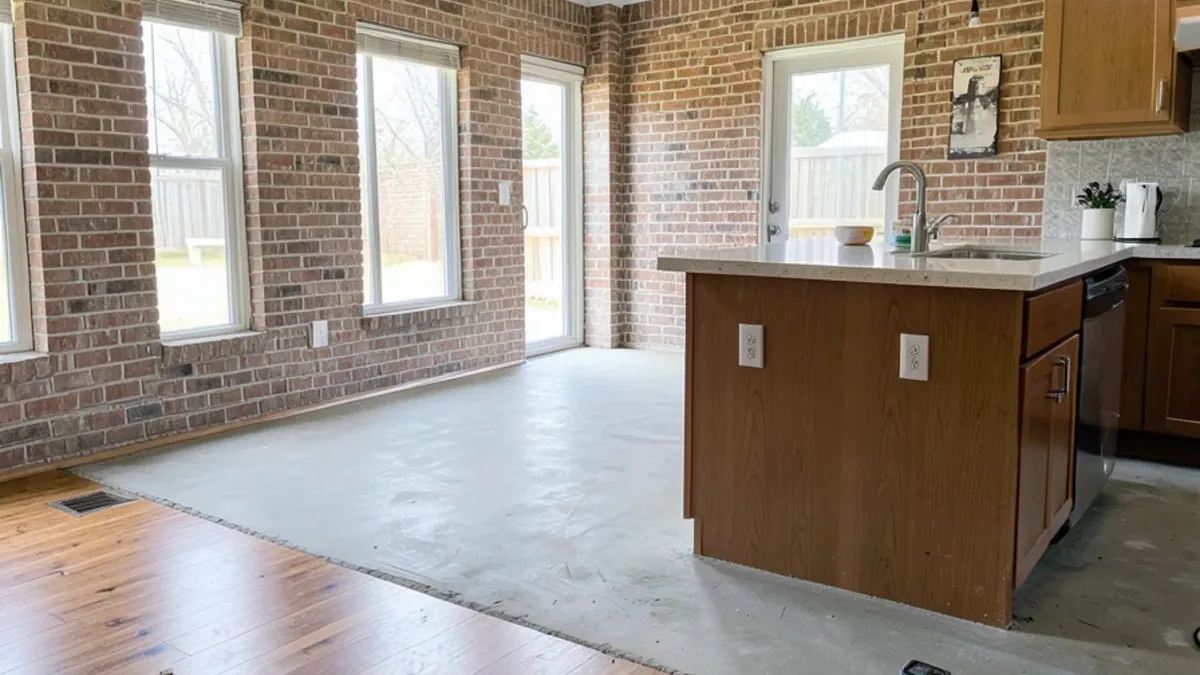
Slab leak damage in Dallas homes usually shows up in the floors first: cupped hardwood, damp carpet, loose tile or a warm patch underfoot. Most homes here are built on concrete slabs over expansive clay, with water and drain lines running beneath or through the concrete. When one leaks, water spreads under flooring and into cabinets before anyone sees it.
Why Slab Leaks Happen in Dallas-Area Homes
Slab leaks are leaks in plumbing lines beneath or within a concrete foundation. In North Texas, they are common for a few reasons. The Blackland Prairie clay under much of the area swells when wet and shrinks when dry, which moves slabs over the seasons and stresses the pipes inside them. Older lines also corrode, and copper lines can wear where they rub against concrete or gravel.
Hot-water lines expand and contract with every use, and a leak in one can warm the floor above it, which is why a warm spot is one of the clearer signs. Cold lines and drain lines leak too, but they give fewer clues. A drain leak under the slab may only show up as a slow drain, an odor or damp flooring near a bathroom or kitchen.
Slab movement can also crack tile and open gaps in flooring with no leak at all, so a crack by itself is not proof. Moisture is the deciding sign.
Planning a Water Damage Remodeling Project?
Six Design Group designs and builds kitchens, baths and floors from Lake Highlands. Call to talk through your home and get a written scope.
- 34 Google reviews
- Design and build under one team
- Based in Lake Highlands, Dallas
- Mon–Fri 9 am–5 pm
Warning Signs of Slab Leak Damage
Slab leak damage hides under finished floors, so watch for these:
- Water meter movement with every fixture turned off
- A warm or damp spot on tile or concrete
- Hardwood that cups, crowns or gaps without a clear cause
- Laminate or vinyl plank that swells at the seams
- Carpet that smells musty or feels damp
- Cabinet toe kicks or base panels that swell or darken
- Cracks in tile or grout that appear alongside moisture
- A higher water bill with no change in use
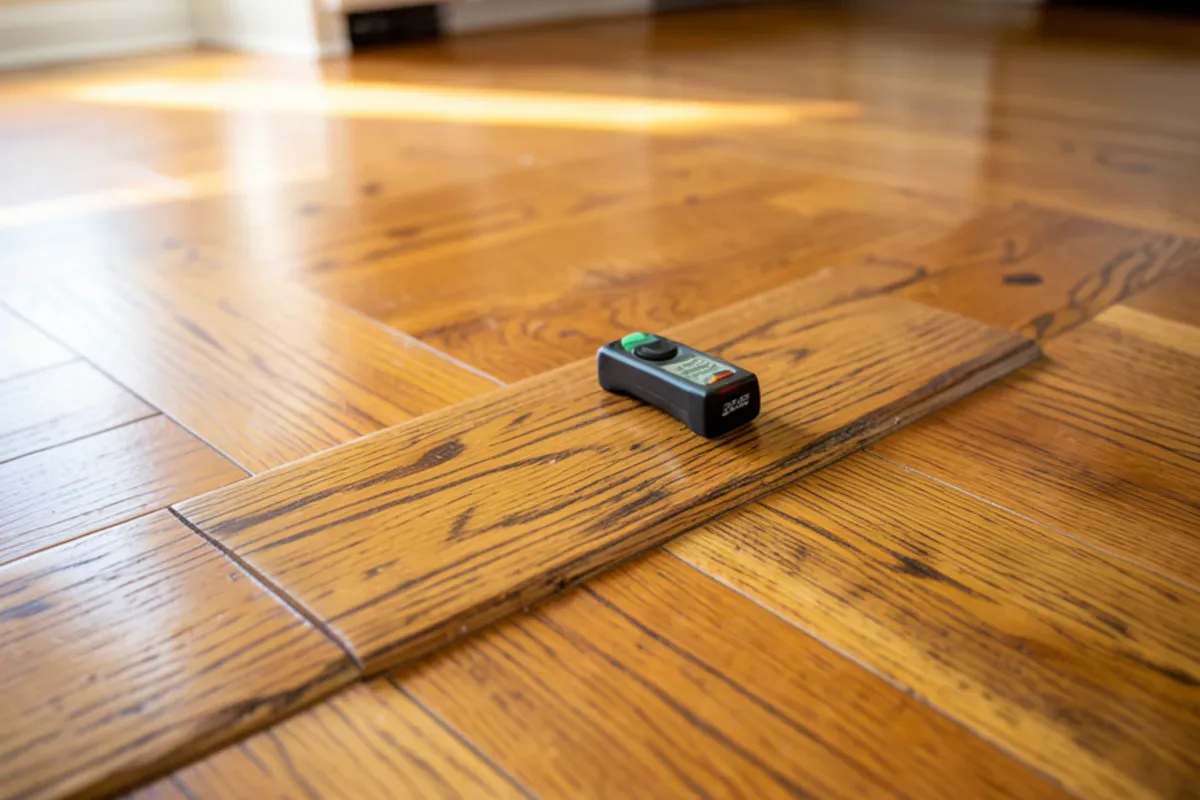
How Is a Slab Leak Repaired?
The repair is a plumber's job, and in Texas it must be done by a plumber licensed by the Texas State Board of Plumbing Examiners. After locating the leak with detection equipment, the plumber typically chooses one of three paths:
- Spot repair through the slab. The floor is opened above the leak, the concrete is cut, the line is repaired and the slab is patched.
- Tunneling. The plumber digs beneath the slab from outside to reach the line without cutting interior floors.
- Rerouting. The leaking line is abandoned and a new line runs through walls or the attic instead.
Each approach leaves different work behind. A spot repair means patching a section of floor. A reroute means opening and patching drywall. Tunneling leaves interior floors intact but involves excavation outside.
Which Repair Path Makes Sense?
The plumber recommends the method, but the rebuild should be part of that conversation. A spot repair is usually the least plumbing work, yet it can cost the most in finishes if the leak sits under a kitchen island or a run of tile. Rerouting avoids cutting the slab entirely and leaves the old line behind, which matters when the house still has original lines of the same age that may fail next. Tunneling suits leaks under rooms with flooring you want to keep. Ask the plumber what each option leaves behind, then price the rebuild for each before choosing.
What Gets Rebuilt After the Plumber's Repair
Once the line is fixed, the area has to dry. A water mitigation company extracts water and dries flooring, cabinets and walls, and EPA guidance puts the window for drying at 24 to 48 hours if you want to avoid mold. We do not dry homes; we rebuild once moisture readings confirm the space is ready.
The rebuild usually involves:
- Removing damaged flooring and checking the slab with moisture tests
- Replacing hardwood, laminate, vinyl plank or tile
- Replacing base cabinets with swollen bottoms or toe kicks
- Patching drywall where a line was rerouted
- Replacing baseboards, trim and transitions
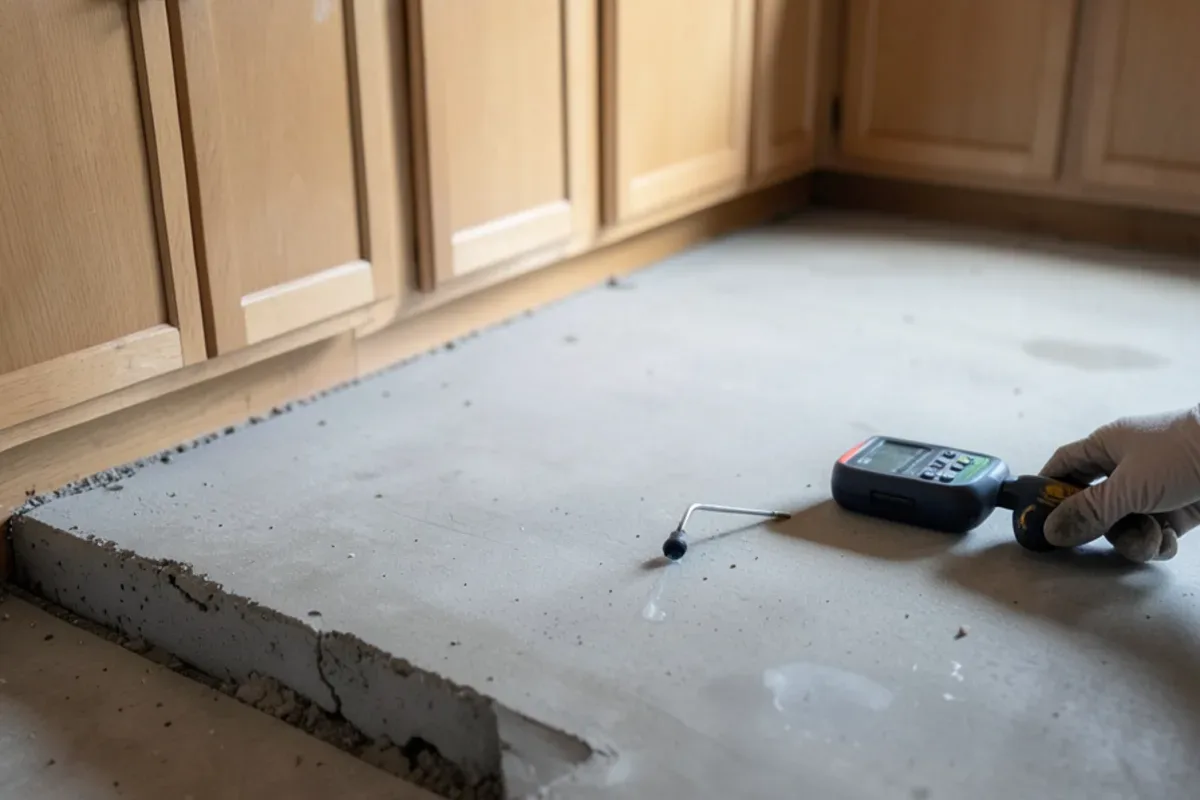
How Is a Slab Tested Before New Flooring?
A slab that looks dry on top can still hold water deeper in the concrete, so the test matters more than the appearance. Two ASTM methods are standard on flooring jobs:
- ASTM F2170, in-situ relative humidity. Small holes are drilled to 40 percent of the slab's depth for a slab drying from one side, probes are sealed in, and readings are taken after the hole equilibrates. Industry reporting on the current revision puts that wait at 24 hours, down from the 72 hours of earlier versions.
- ASTM F1869, calcium chloride. A dish of calcium chloride is sealed under a dome on the cleaned slab surface for about 72 hours, then weighed to estimate how much moisture vapor the slab gives off.
The flooring manufacturer sets the pass line. Its installation instructions name the test it accepts and the limit it requires, and those limits differ by product. We follow that number rather than a general rule.
Flooring Choices Over a Slab That Has Leaked
| Flooring | How it handles slab moisture | What to watch |
|---|---|---|
| Porcelain or ceramic tile | Not harmed by moisture | Needs a flat patch and crack isolation on a moving slab |
| Luxury vinyl plank | Water-resistant wear layer | The slab must still meet the maker's limit; trapped moisture can feed mold |
| Engineered wood | More stable than solid wood | Usually needs a moisture barrier or glue system rated for slabs |
| Solid hardwood | Least forgiving over concrete | Often needs a plywood subfloor and the strictest moisture limits |
| Laminate | Core swells if moisture reaches it | Requires a vapor barrier underlayment and a dry slab |
If the leak may recur, or the house has more original lines of the same age, a moisture-tolerant floor is the safer choice.
Slab Leak Damage in Dallas, Garland and Mesquite
In Dallas, slab homes from the 1950s through the 1980s often have original copper or cast-iron lines, and continuous flooring across living areas means one leak can affect several rooms. Garland and Mesquite have large numbers of 1960s to 1980s brick homes on slabs, many with original layouts where the kitchen and living room share one floor.
Each city runs its own building inspection office. Plumbing repairs and any related electrical work may need a permit, so ask the plumber and the rebuild contractor who will pull it.
What Our Project Leads Watch on Slab Leak Rebuilds
Our project leads focus on two things: the slab moisture and where the floor ends. A floor installed over a slab that is still wet can fail, so we test before installing and follow the flooring maker's limits. Then we look for a natural break, such as a doorway or a change in material. If there is none, patching one room may leave a visible line, and replacing the full level may be the better choice.
We also save a sample of the original flooring and photograph the damage before removal. Those details matter if an insurance claim is involved, since coverage and matching depend on your policy. The Texas Department of Insurance has consumer guidance on how claims work.
The honest trade-off we raise is speed against certainty. Homeowners want floors back quickly, and a slab that is close to dry is tempting. Waiting a few more days for a passing reading costs little compared with pulling up a new floor that cupped because the concrete was still wet.
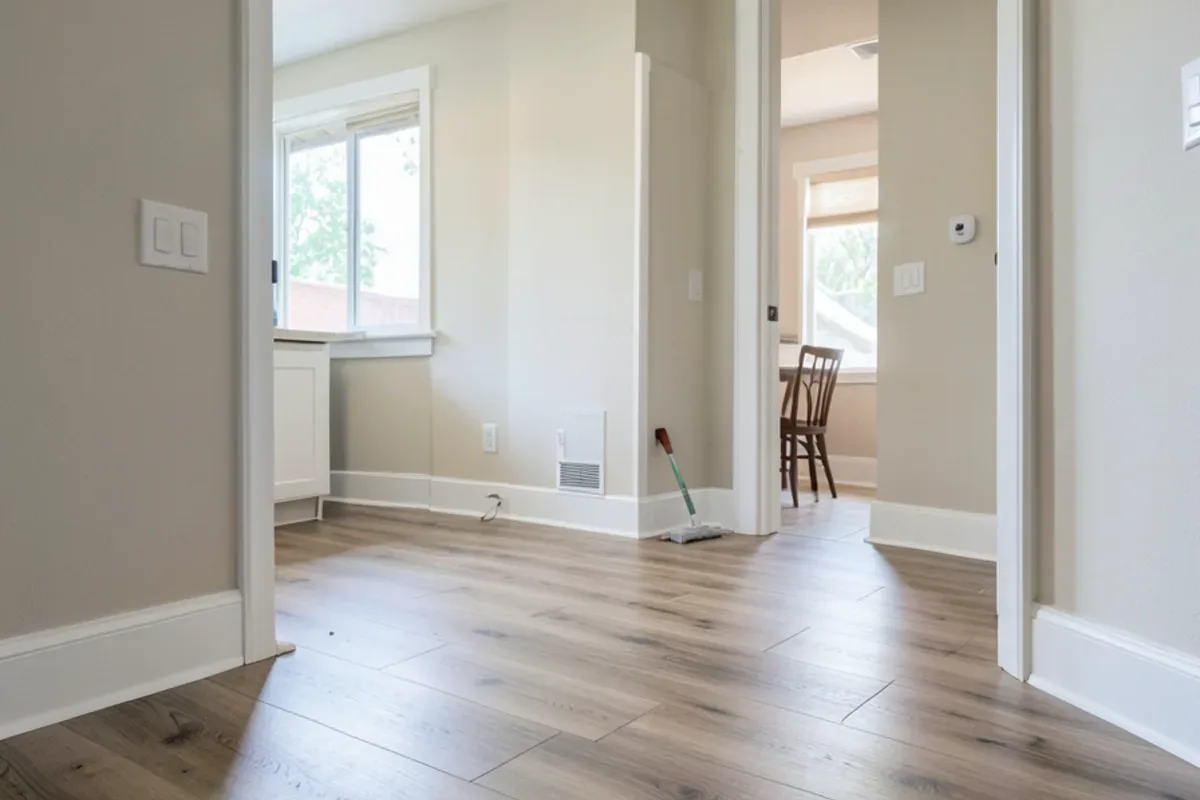
Rebuilding Floors and Cabinets the Right Way
A slab leak is fixed by the plumber, dried by the mitigation team and finished by the rebuild. Our water-damaged floor replacement work covers moisture testing, flooring choices and matching, and our broader water damage remodeling service handles cabinets, drywall and trim. Request an estimate once the plumber's repair is done.
Quick Answers on Slab Leak Damage Dallas
How do I know if I have a slab leak?
How do you check that a slab is dry before new flooring?
Does a slab leak mean replacing the floor in every connected room?
Can new tile go directly over the patched part of a slab?
Sources
- Texas State Board of Plumbing Examiners
- U.S. EPA, A Brief Guide to Mold, Moisture and Your Home
- Texas Department of Insurance
- City of Dallas Building Inspection
- ASTM International, F2170 and F1869 concrete moisture test standards
- For Construction Pros, ASTM Study Finds That Relative Humidity Probes Achieve Moisture Equilibrium in 24 Hours

Written by the Six Design Group team
Design-build remodelers based in Lake Highlands, Dallas. We plan and build kitchens, bathrooms, floors and whole-home remodels across Dallas-Fort Worth.