
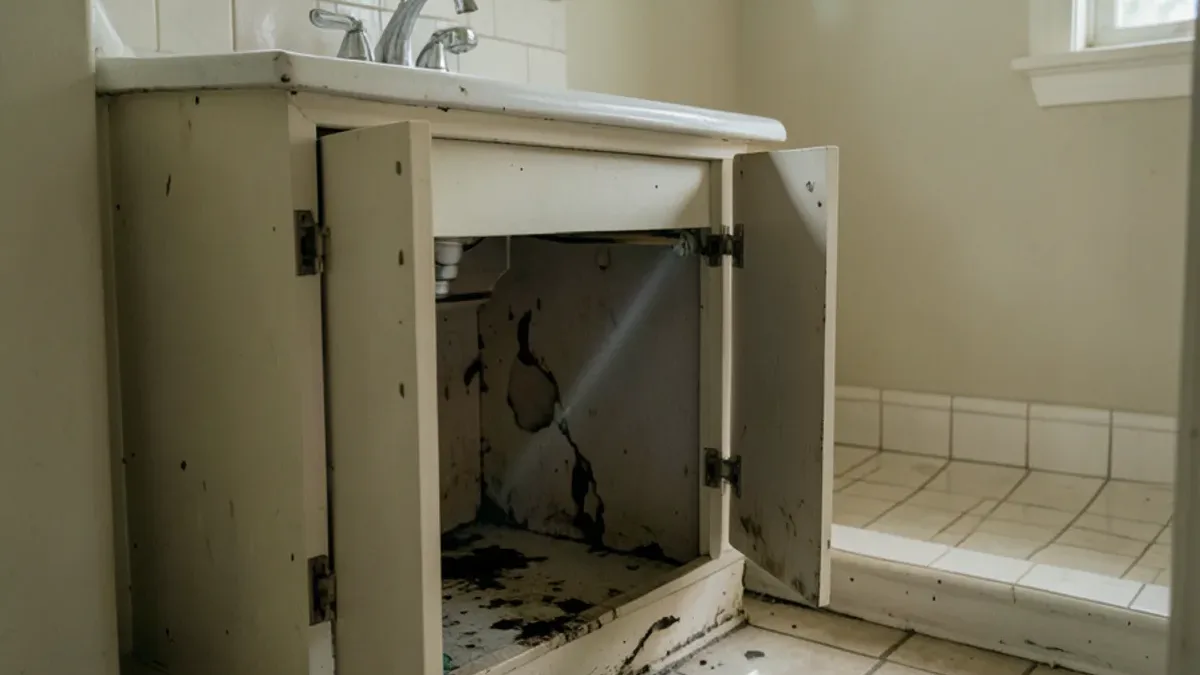
The most reliable signs of hidden water leak damage under a sink or shower are soft or spongy floors, swollen cabinet bottoms, stains on ceilings and baseboards, a musty smell, and tile that loosens or grout that stays dark. Each one points to water reaching places it should not, and catching them early usually means a smaller repair.
Signs of a Hidden Leak Under a Sink
Sink leaks usually start at a supply line, a shut-off valve, the faucet base or the drain trap. They are often slow enough to go unnoticed until the cabinet itself shows damage. Check for these:
- A cabinet floor that is swollen, warped or bubbling, especially particleboard
- Water stains, rings or white mineral crust on the cabinet floor
- Peeling laminate or veneer along the bottom edge of the cabinet
- A musty smell when you open the doors
- Rust or green corrosion on shut-off valves and connections
- Flooring in front of the cabinet that is lifting or discolored
Which Parts Under a Sink Fail First
A few connections cause most sink-cabinet leaks. Supply lines from the shut-off valves to the faucet wear out, and older solid or plastic lines crack with age. Slip-joint nuts on the drain trap loosen over time, especially after someone stores heavy items against them. In kitchens, the dishwasher drain hose, the disposal's sink flange and the dishwasher supply tee add three more joints in the same cabinet. Bathroom vanities add the pop-up drain and the overflow. Check each with a dry towel; a drip that only appears while water runs points to the drain side.
Planning a Water Damage Remodeling Project?
Six Design Group designs and builds kitchens, baths and floors from Lake Highlands. Call to talk through your home and get a written scope.
- 34 Google reviews
- Design and build under one team
- Based in Lake Highlands, Dallas
- Mon–Fri 9 am–5 pm
Signs of a Hidden Leak in a Shower or Tub
Shower leaks are harder to see because the waterproofing sits behind the tile. When a pan, membrane or valve fails, water goes into the framing and subfloor rather than the drain. The clues often show up outside the shower:
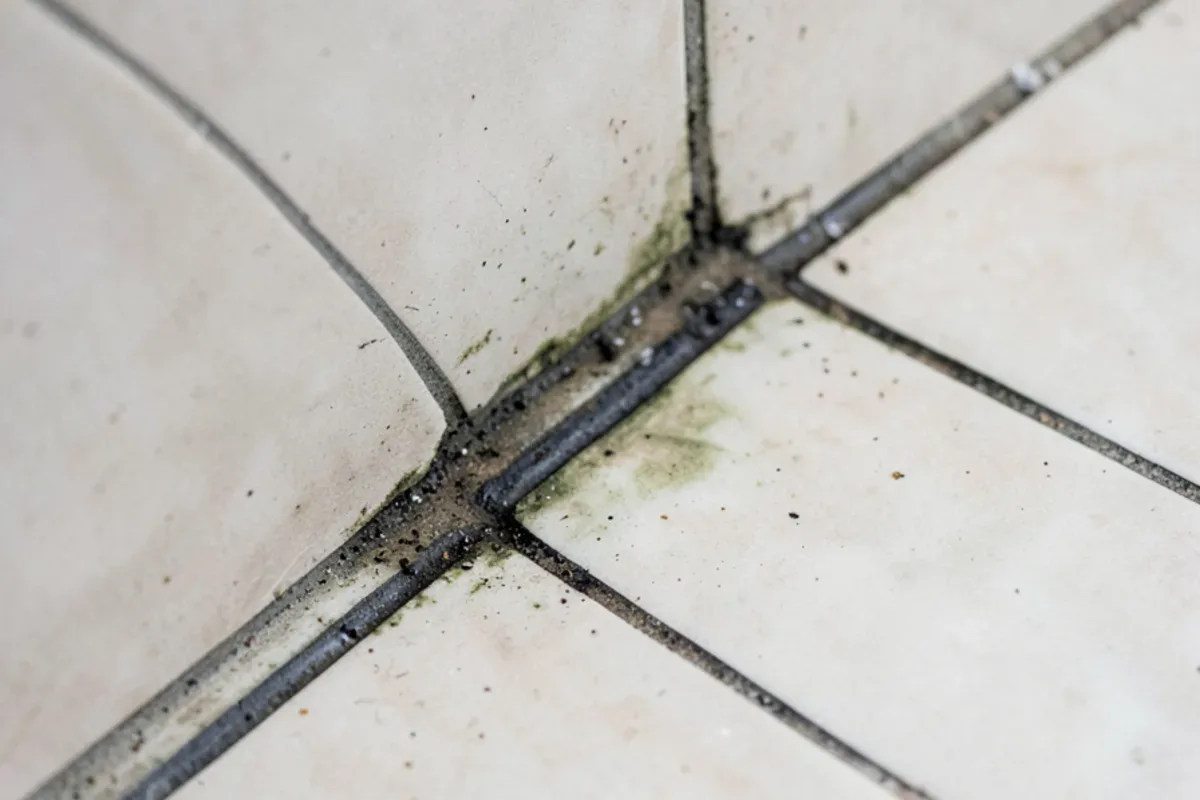
- Grout along the lowest rows of tile that stays dark long after use
- Loose, hollow-sounding or cracked tile on the shower floor
- Caulk lines with recurring mold or gaps
- Swollen baseboard or door casing next to the shower
- Stains or bubbling paint on the ceiling below a second-floor bathroom
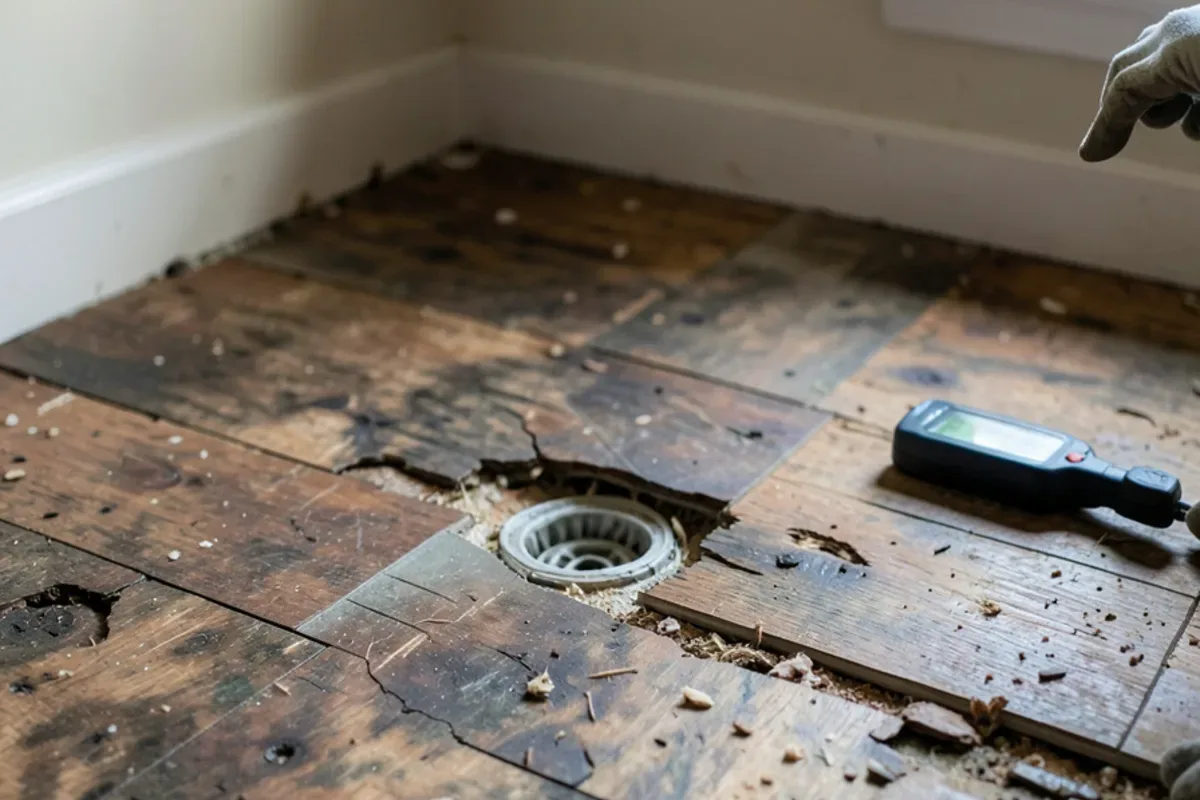
- Soft flooring just outside the shower entry
How to Confirm a Leak Before Opening Walls
A few simple checks narrow it down. Start with the water meter: turn off every faucet and appliance, then watch the meter. Many meters have a small leak indicator that spins when water is moving. If it moves with everything off, there is a leak somewhere on the property. Dallas Water Utilities and most city water departments explain how to read your meter.
| What you notice | Likely source | Next step |
|---|---|---|
| Wet cabinet floor | Supply line, valve or drain trap | Plumber check, dry cabinet |
| Dark shower grout | Failed pan or membrane | Flood test by a plumber |
| Ceiling stain below a bath | Shower, tub or toilet above | Moisture readings, plumber |
| Soft floor at toilet | Wax ring or flange | Pull toilet, inspect subfloor |
| Meter moves with water off | Line leak, possibly in slab | Leak detection by a plumber |
Other clues are easy to miss. A water bill that climbs without a change in habits, the sound of running water when nothing is on, or a warm spot on a tile floor over a slab can all point to a leak in a line rather than at a fixture. EPA's WaterSense program offers a rough benchmark: a family of four using more than 12,000 gallons in a winter month, when there is no lawn watering, probably has a serious leak. Write down when you notice each sign and take photos. That record helps the plumber, and it helps later if you file an insurance claim.
Plumbing diagnosis and repair in Texas must be done by a plumber licensed by the Texas State Board of Plumbing Examiners.
A Ten-Minute Leak Check You Can Run Yourself
Small leaks add up. EPA's WaterSense program says the average household's leaks can waste nearly 10,000 gallons a year, and that one home in ten has leaks wasting 90 gallons or more a day. Most of that water goes down a drain, but the same slow drip under a sink or behind a shower goes into wood and drywall. Run this check once a season:
- Read the meter with everything off. Note the reading, use no water for two hours, then read it again, as EPA suggests. Any change means water is moving somewhere.
- Dye-test each toilet. Put a few drops of food coloring in the tank and wait 10 minutes without flushing. Color in the bowl means the flapper is leaking.
- Dry-wipe under every sink. Run a dry paper towel along the supply lines, valves and drain trap, then check it for damp spots.
- Press the floor. Step next to the toilet, the tub and the vanity and feel for give or softness.
- Tap the shower tile. A hollow sound on floor or lower wall tile can mean the setting bed below has let go.
- Look up. Check ceilings below upstairs bathrooms and around ceiling vents for rings or bubbling paint.
A failed toilet flapper wastes water but rarely damages the house. A positive result at any of the other steps is a reason to call a plumber before the damage spreads.
When Is It Time to Open Things Up?
Open the wall or floor once a licensed plumber has confirmed the source and there is a plan to repair and rebuild. Opening too early can make the damage bigger; waiting too long lets rot and mold spread. According to the U.S. EPA, wet areas should be dried within a day or two, 24 to 48 hours, to keep mold from growing.
If the area is wet, a water mitigation company dries it first. If mold is found, larger jobs in Texas must be handled by mold professionals licensed through the Texas Department of Licensing and Regulation. We come in after that, to rebuild the vanity, shower, subfloor or ceiling.
What We See in Dallas and Farmers Branch Bathrooms
Our project leads find hidden leaks most often in older bathrooms that have never been rebuilt. In Dallas, many mid-century homes have original tile showers built over mortar beds with liners that have reached the end of their life. The tile still looks fine from the front, but the pan behind it has failed.
In Farmers Branch, 1950s and 1960s ranch homes share the same pattern, along with older galvanized supply lines that corrode from the inside. When we open a wall for one leak, we look at the rest of the plumbing too, so a licensed plumber can replace aging lines while everything is exposed.
The trade-off we explain most often is a pan repair against a full shower rebuild. When an older mortar-bed pan fails, the floor tile, the pan and the bottom rows of wall tile usually all come out, and matching tile from decades ago is rare. Many owners choose to redo the whole shower at that point, because the extra cost of new wall tile is small next to doing the demolition twice.
Rebuilding After the Leak Is Fixed
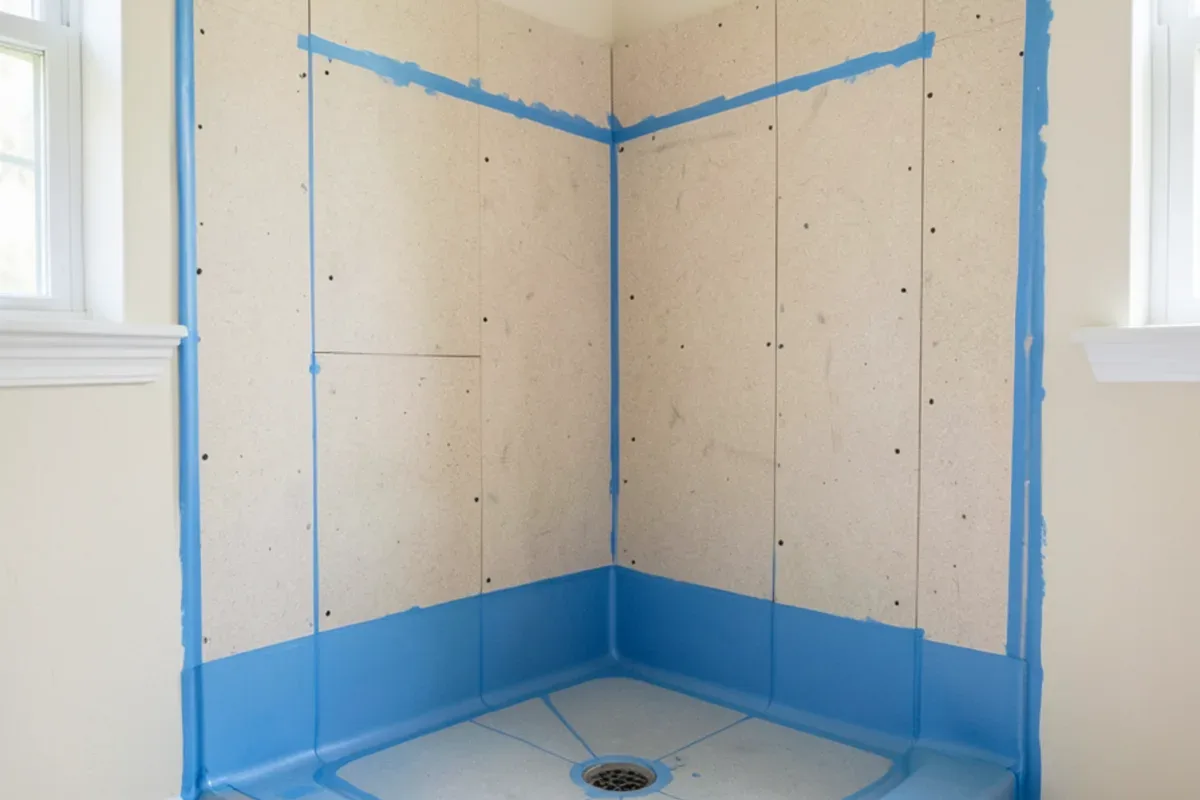
A hidden leak rarely damages just one thing. It can reach the vanity, the floor, the drywall and the trim. Our bathroom water damage repair process rebuilds those areas after the plumber's repair and drying, with waterproofing done right so the problem does not come back. For leaks that spread beyond the bathroom, see our approach to water damage remodeling. Request an estimate and send photos of what you are seeing.
Quick Answers on Signs Of Hidden Water Leak
What are the early signs of a failing shower pan?
Why does the floor feel spongy next to my toilet?
Is regrouting enough to stop a shower leak?
How can I tell if a toilet is leaking without calling a plumber?
Sources

Written by the Six Design Group team
Design-build remodelers based in Lake Highlands, Dallas. We plan and build kitchens, bathrooms, floors and whole-home remodels across Dallas-Fort Worth.