
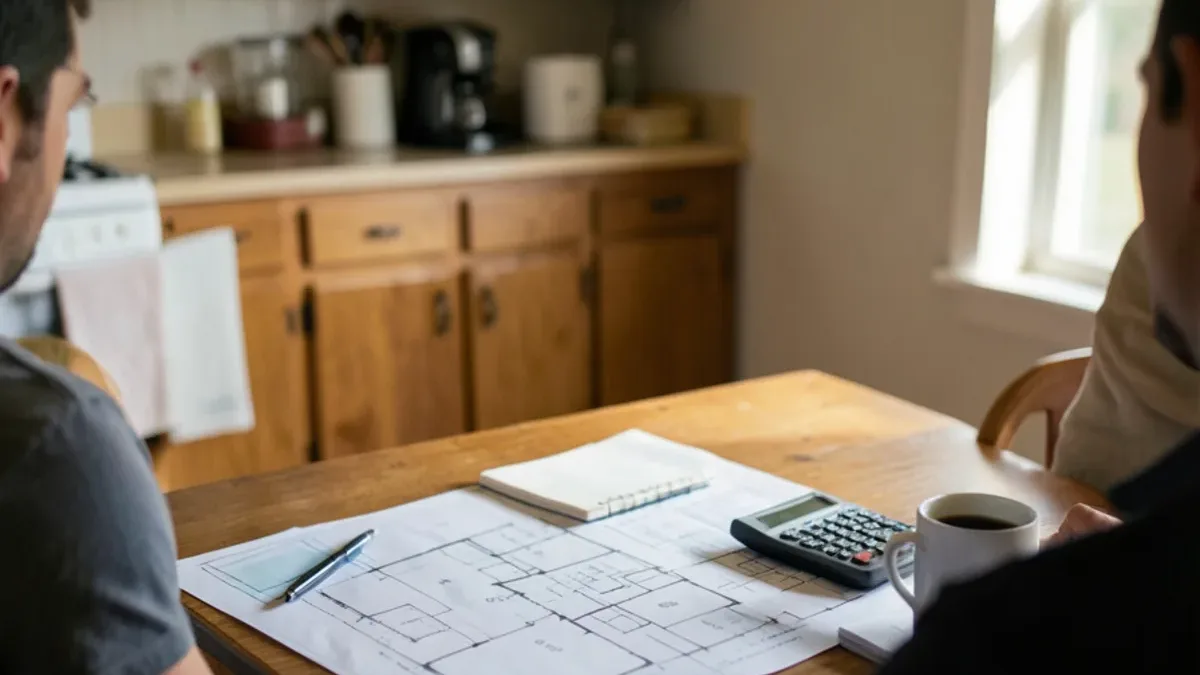
Deciding to remodel or move in Dallas comes down to a simple test: if you like where the house is but not how it works, remodeling usually wins; if the location is the problem, moving does. The math in between turns on transaction costs, property taxes, your mortgage rate and what home remodeling can actually fix.
What Does Moving Really Cost a Dallas Homeowner?
Moving costs more than the price difference between two houses. On the selling side, agent commissions vary and are negotiable, and sellers also pay their share of title and closing costs, any repairs a buyer negotiates, and the cost of preparing the house for listing. On the buying side come lender fees, inspections, appraisal and the movers themselves.
Then there is the next house. Most homes you buy will need some updates of their own, so the new kitchen you wanted may still be a project after you move.
For scale, the U.S. Census Bureau puts the median value of an owner-occupied Dallas home at $320,700, and about 42.4 percent of the city's housing is owner-occupied. On a home near that median, selling and buying costs alone can equal a meaningful share of a kitchen or bath remodel budget.
Planning a Home Remodeling Project?
Six Design Group designs and builds kitchens, baths and floors from Lake Highlands. Call to talk through your home and get a written scope.
- 34 Google reviews
- Design and build under one team
- Based in Lake Highlands, Dallas
- Mon–Fri 9 am–5 pm
How Texas Property Taxes Change the Remodel-or-Move Math
Texas has no state income tax, so local property taxes carry much of the load, and they are a real yearly cost for homeowners. That shapes both options.
For a homestead, Texas law limits how much the appraised value can rise each year to 10 percent, so a house you have owned for years may be taxed on a value below what it would sell for. Buy a new house and its appraisal starts at market value, so your tax bill can jump even at the same price point.
A remodel affects taxes too. The 10 percent cap does not cover the value of new improvements, so a major remodel can raise your appraisal. Check the Dallas Central Appraisal District and the Texas Comptroller's property tax resources before you assume either path is tax-neutral.
Exemptions Follow You, the Cap Does Not
The school district homestead exemption applies to whichever house you live in. Texas voters approved raising it to $140,000 in November 2025, with an additional $60,000 for owners 65 or older or disabled, according to the Texas Comptroller. A move does not cost you the exemption, but you have to file a new homestead application with the appraisal district for the new house.
What a move does cost is the 10 percent cap history on your current home, because the new house starts at full market value. Owners 65 or older who hold a school tax ceiling can transfer it to a new Texas homestead as a percentage rather than a fixed dollar amount, so confirm the transferred figure with the appraisal district before you count on it.
Your Mortgage Rate Is Part of the Decision
If your current mortgage rate is lower than today's rates, moving usually means giving it up. A new loan on a similar house can raise your monthly payment even when the purchase price barely changes.
Remodeling keeps your existing loan in place. How you pay for the remodel is a separate question to take to your lender or a financial advisor, since this guide is not financial advice. Ask about the full monthly cost of each path, not only the interest rate.
How to Run the Remodel-or-Move Numbers Yourself
You can put both paths on one page in an afternoon. Use real quotes where you can and leave a line blank rather than guess:
- Write the goal list. Name the five or six things the house must do better, such as an open kitchen, a second full bath or a usable primary shower.
- Price the remodel from a design. A written scope with drawings and selections, plus a contingency for what the walls may hide.
- Get a seller's net sheet. Ask a listing agent and a title company for estimated commission, title, closing and repair costs on your house.
- Estimate the buying side. Lender fees, inspection, appraisal, movers and the updates the next house would still need to meet your goal list.
- Compare tax bills. Use the appraisal district's records to compare your current taxable value with a new house taxed at its purchase price.
- Compare monthly payments. Set your current loan payment against a new loan at today's rate, using your lender's numbers.
- Total both columns. Add up each path and read the two totals next to the goal list, not on their own.
If the remodel column meets more goals for less money, the decision is mostly made. If it is close, the tie usually goes to the location you would rather live in.
Remodel vs. Move: A Side-by-Side Comparison
| Question | Remodel | Move |
|---|---|---|
| Keeps your lot, street, schools and commute | Yes | No |
| Fixes layout, kitchen, baths and finishes | Yes | Only if the new house already has them |
| Transaction costs | None | Selling and buying costs both apply |
| Property tax baseline | Existing, plus value of new improvements | New appraisal at market value |
| Mortgage | Existing loan stays | Usually a new loan at current rates |
| Disruption | Living with construction, or moving out for part of it | Packing, two closings, moving |
If most of your answers fall in the left column, a whole-house remodel or a focused kitchen and bath project is worth pricing before you call an agent.
What a Remodel Can Fix, and What It Cannot
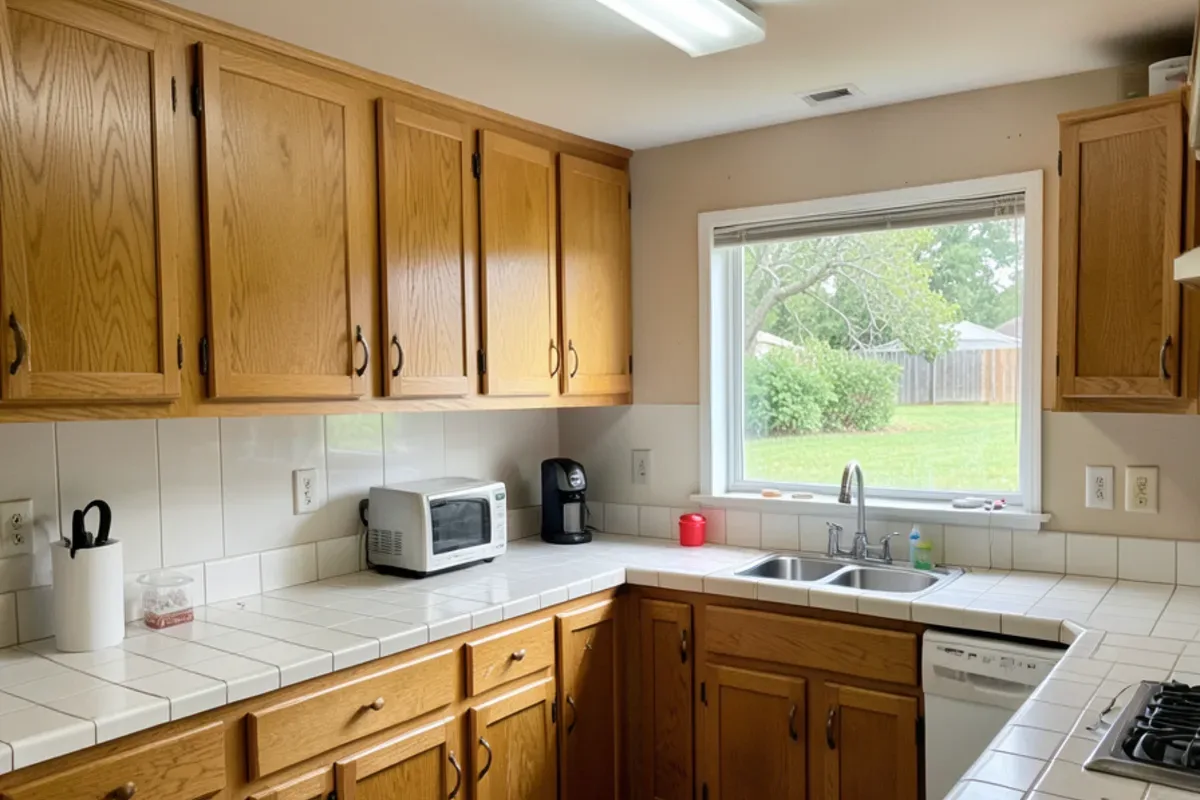
A remodel is good at changing how a house works. It can open a closed kitchen to the living room, turn a dated hall bath into a usable one, replace worn floors, update aging wiring and plumbing, and add storage where there was none.
It cannot change the things buyers pay for in location:
- The lot size, orientation and yard
- The street, the neighbors and traffic
- The school attendance zone
- Your commute and distance to family
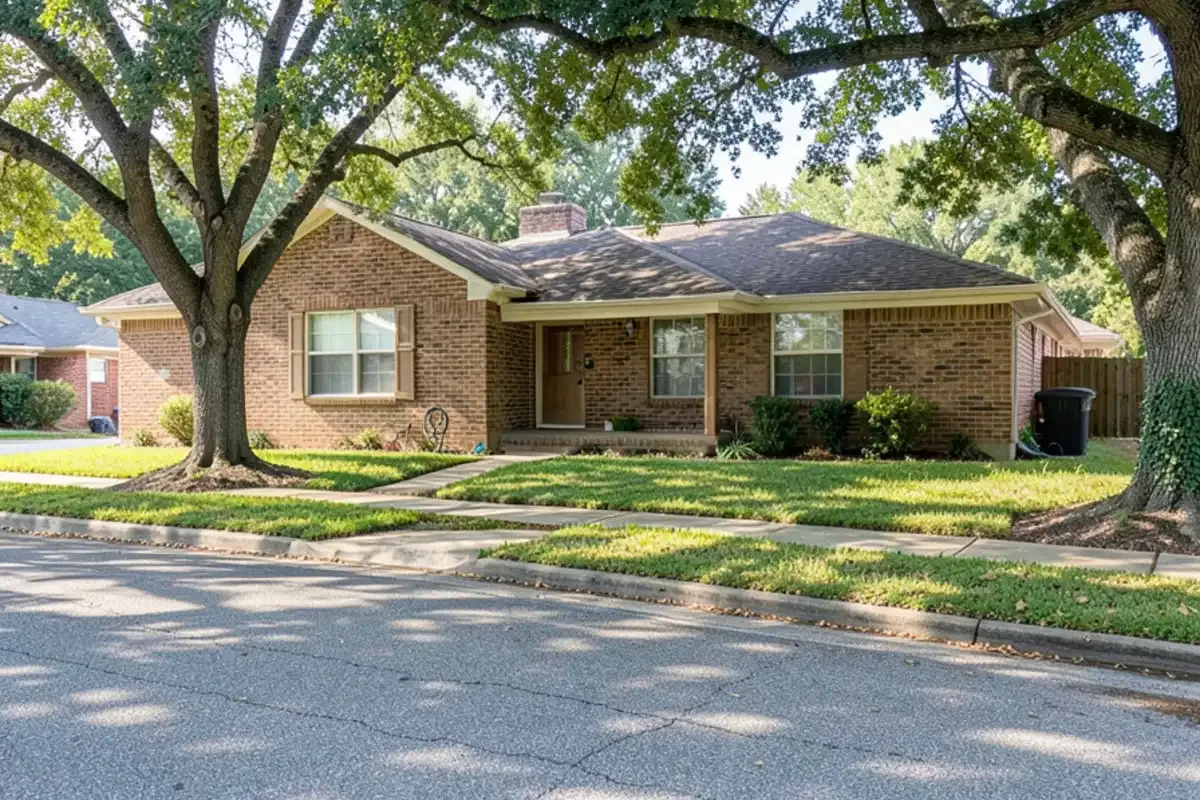
In older Dallas neighborhoods such as Lake Highlands, Lakewood and Oak Cliff, owners often stay because they love the trees, the lot and the location, then remodel the 1950s or 1960s interior. In Dallas and in Richardson, where mid-century neighborhoods like Richardson Heights are common, that pattern makes the remodel path especially worth testing.
How Our Project Leads Help Owners Weigh the Choice
Our project leads start with a list, not a sketch. They ask what is wrong with the house today, what you would look for in a new one, and which of those items a remodel can actually address. When the answer is "most of them," the next step is pricing the work from a real design.
They also flag when a remodel is a poor fit. If the main complaint is the commute or the school zone, they say so. A clear plan and a clear price give you a number to set against the cost of moving, and that comparison is the whole decision.
The other risk they raise is over-improving for the street. A remodel that pushes a house far above its neighbors may not be repaid at sale, and no remodeler can promise a resale return. If you plan to stay ten years, that matters less, because you are buying the use of the house. If you might sell in two or three years, keep the scope closer to what the neighborhood supports.
Living through the work is part of the math too. A kitchen remodel means weeks with a temporary kitchen, and a whole-house project may mean renting elsewhere for part of it. Put that cost in the remodel column so the comparison stays fair.
Making the Call
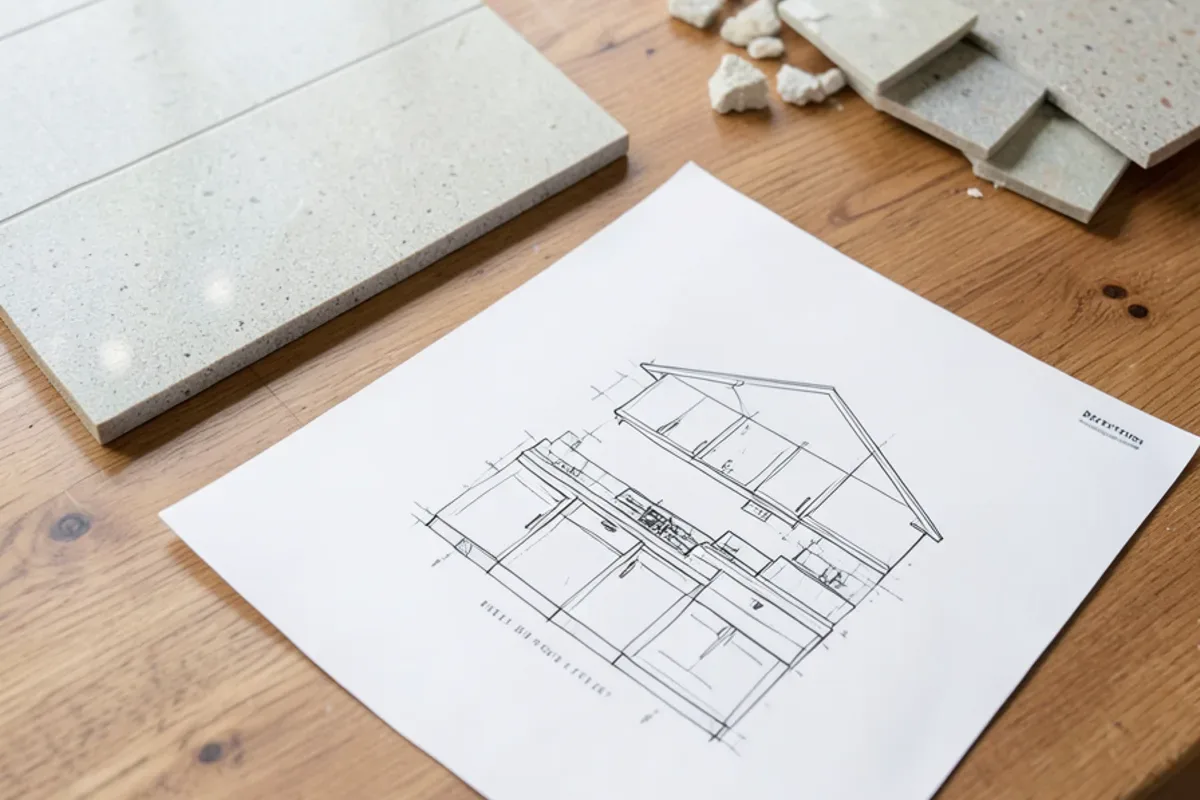
Price the move and price the remodel against the same list of goals, then compare. If the house is in the right place, our home remodeling team can turn that list into a design and a number, and a whole-house remodel can tackle several rooms in one planned sequence. Schedule a consultation to start.
Quick Answers on Remodel Or Move Dallas
Is it cheaper to remodel or buy a new house in Dallas?
Will remodeling raise my property taxes in Dallas?
How do I know if my house is worth remodeling?
Do I keep my homestead exemption if I move to another Dallas house?
Sources

Written by the Six Design Group team
Design-build remodelers based in Lake Highlands, Dallas. We plan and build kitchens, bathrooms, floors and whole-home remodels across Dallas-Fort Worth.