
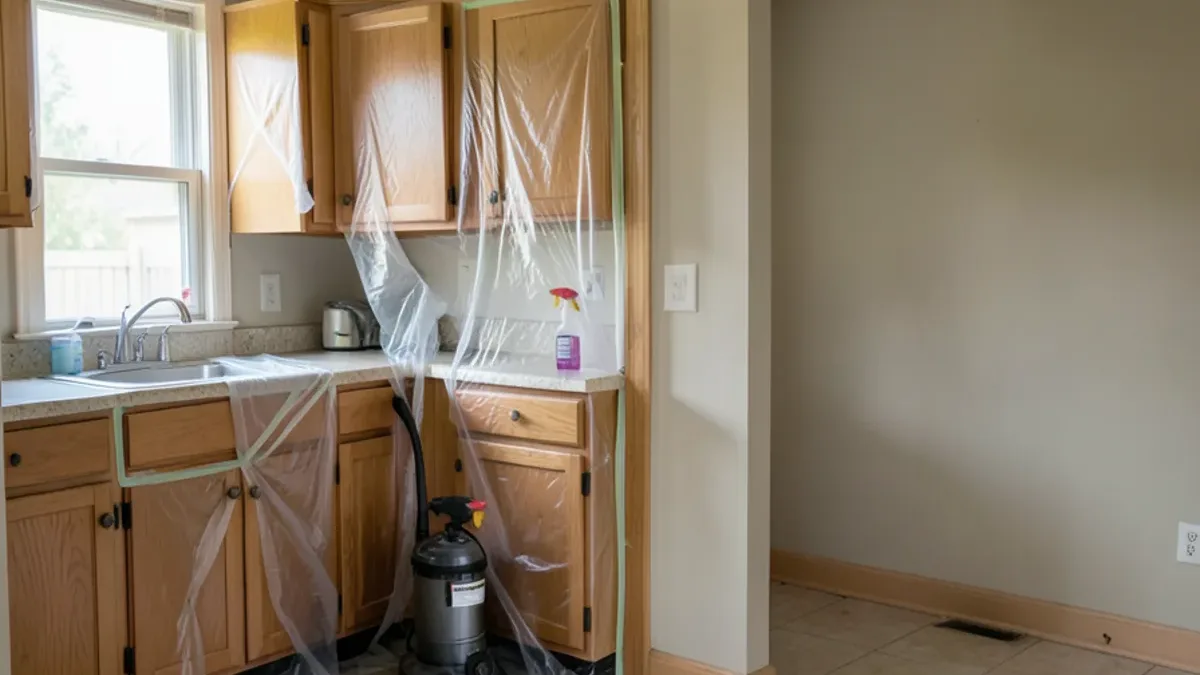
Lead-safe remodeling in a pre-1978 home means following the EPA Renovation, Repair and Painting (RRP) rule whenever paid work disturbs painted surfaces: a certified firm and renovator, containment around the work, no dust-making shortcuts, and a verified cleanup before you move back in. Here is what the rule requires and what it looks like on a home remodeling project.
Why Does 1978 Matter for Dallas Homes?
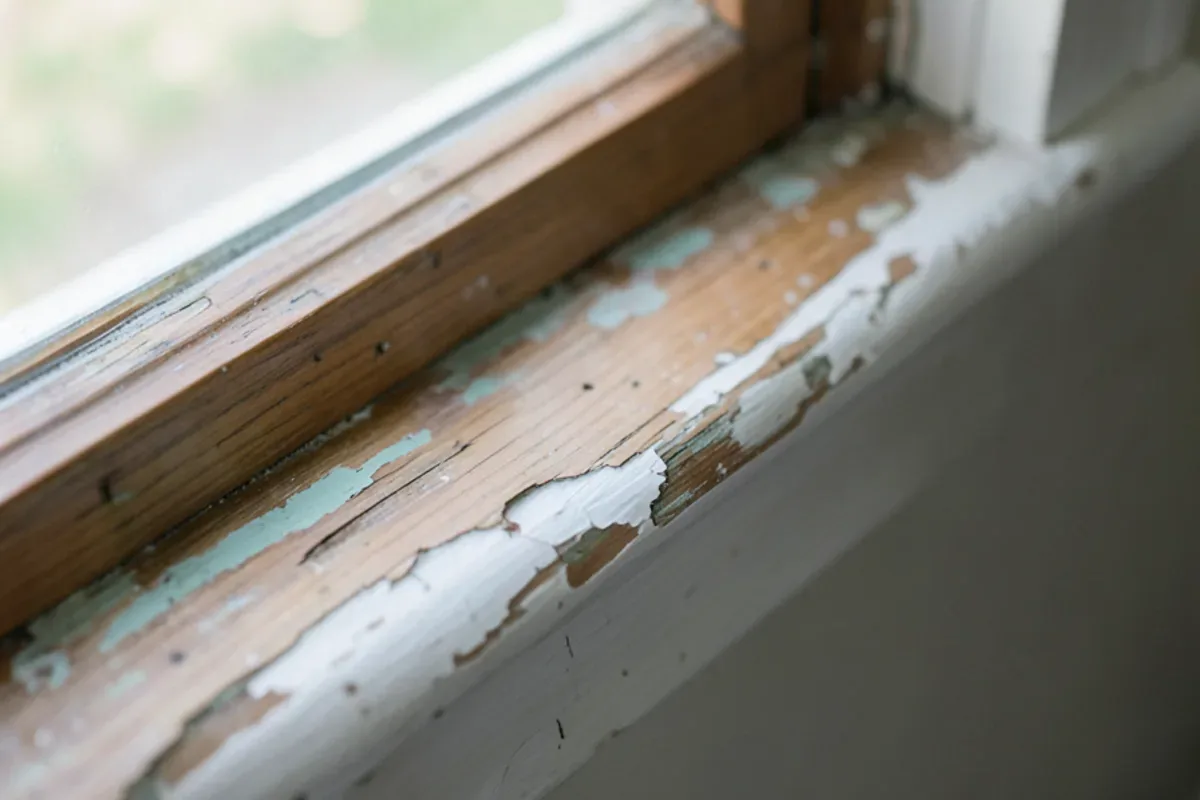
The federal government banned lead-based paint for residential use in 1978, so homes built before then may have it under later coats. Disturbing that paint by sanding, cutting or demolishing creates fine dust that is especially harmful to young children and pregnant women.
Dallas has plenty of houses that predate the cutoff. Point2Homes puts the city's median year built at 1981, which means a large share of the housing is older. The same source counts 14.6 percent of Dallas units built in the 1970s and 5.1 percent built in 1939 or earlier, and most of the 1970s homes and all of the older ones fall inside the rule's date range. In Dallas, Lake Highlands, Lakewood and Oak Cliff hold many 1920s to 1960s homes, and nearly all original trim, doors, windows and cabinets in them sit under decades of paint.
Planning a Home Remodeling Project?
Six Design Group designs and builds kitchens, baths and floors from Lake Highlands. Call to talk through your home and get a written scope.
- 34 Google reviews
- Design and build under one team
- Based in Lake Highlands, Dallas
- Mon–Fri 9 am–5 pm
What the EPA RRP Rule Requires
The RRP rule applies to renovation, repair and painting work done for pay in housing and child-occupied facilities built before 1978. According to EPA, its key requirements are:
- Firm certification. Any firm paid to disturb paint in covered housing must be certified under the program, including sole proprietors.
- A certified renovator on the job. Each project needs a certified renovator who has completed accredited training. EPA says hands-on training certifies a renovator for five years and online refresher training for three.
- Pre-renovation education. Before work starts, the contractor gives occupants EPA's Renovate Right pamphlet.
- Lead-safe work practices. The work area is contained, dust is controlled and certain methods are prohibited.
- Cleaning verification. The work area is cleaned and checked before containment comes down.
- Records. Firms keep records showing the rule was followed.
Who Enforces the Rule in Texas?
EPA does, directly. States can apply to run their own RRP programs, and EPA lists its authorized states on its firm certification pages; Texas is not one of them, so a Dallas contractor gets firm certification from EPA itself. That also makes the check simple for you: ask for the firm's EPA certification and the certified renovator's training certificate, and confirm both before work starts.
When the Rule Is Triggered
EPA's minor repair and maintenance exception covers work that disturbs six square feet or less of painted surface per room inside, or 20 square feet or less outside. Above those thresholds, the rule applies. Window replacement and demolition of painted surfaces are covered no matter how small, and prohibited practices are never allowed.
A kitchen or bath remodel almost always crosses the six-square-foot line. Removing cabinets, cutting into painted drywall or plaster, pulling trim and replacing doors each disturb paint.
Housing can be exempted if a certified inspector or risk assessor, or a certified renovator using an EPA-recognized test kit or lab analysis of paint chips, shows the components are lead-free.
What Lead-Safe Work Practices Look Like on a Remodel
On site, lead-safe work is mostly about keeping dust inside a sealed area and removing it completely. EPA's practices for interior work include:
- Warning signs posted at the entry to the work area.
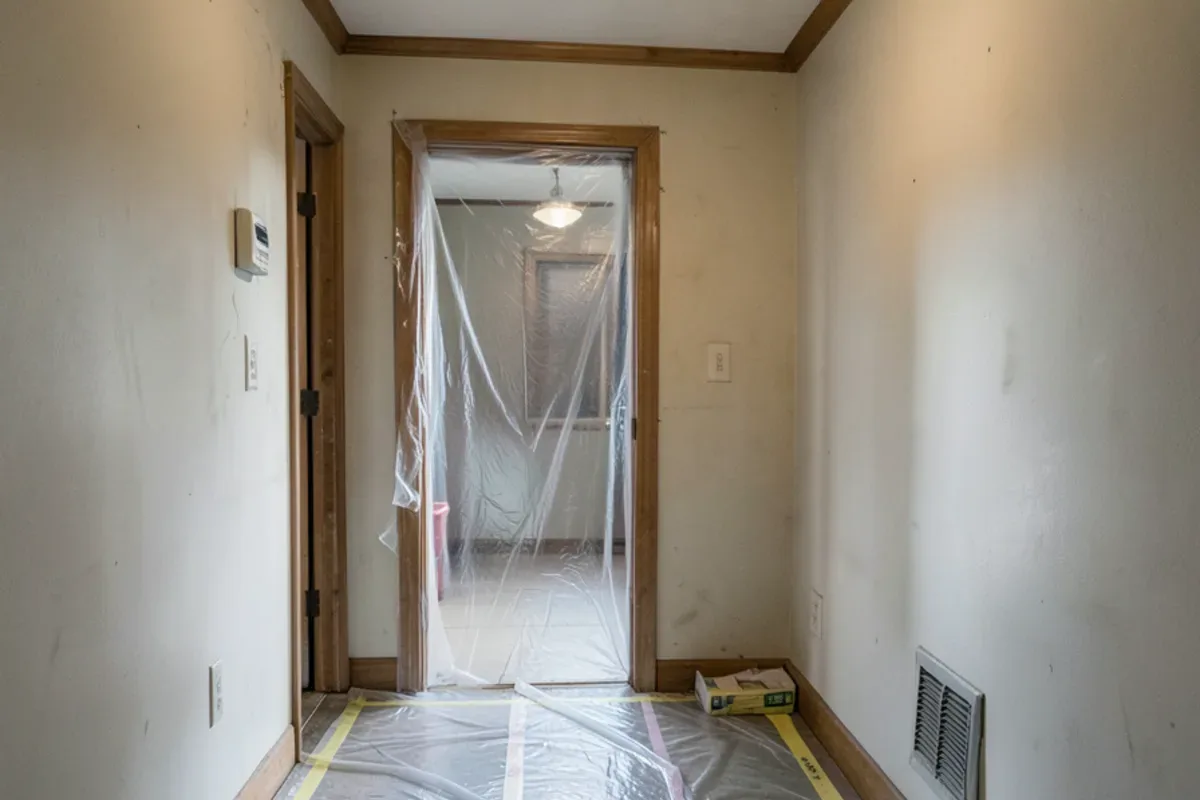
- Containment. Doors and openings are covered with plastic sheeting, floors are covered with plastic extending beyond the work area, and HVAC vents in the area are closed and covered so dust does not travel through the ducts.
- Dust-limiting methods. EPA prohibits open-flame burning or torching of paint, heat guns at or above 1,100 degrees Fahrenheit, and machine sanding, grinding or planing without a HEPA vacuum attachment.
- Daily cleanup. Debris is misted, bagged and removed, and surfaces are HEPA-vacuumed.
- Final cleaning. Surfaces are HEPA-vacuumed and wet-wiped.
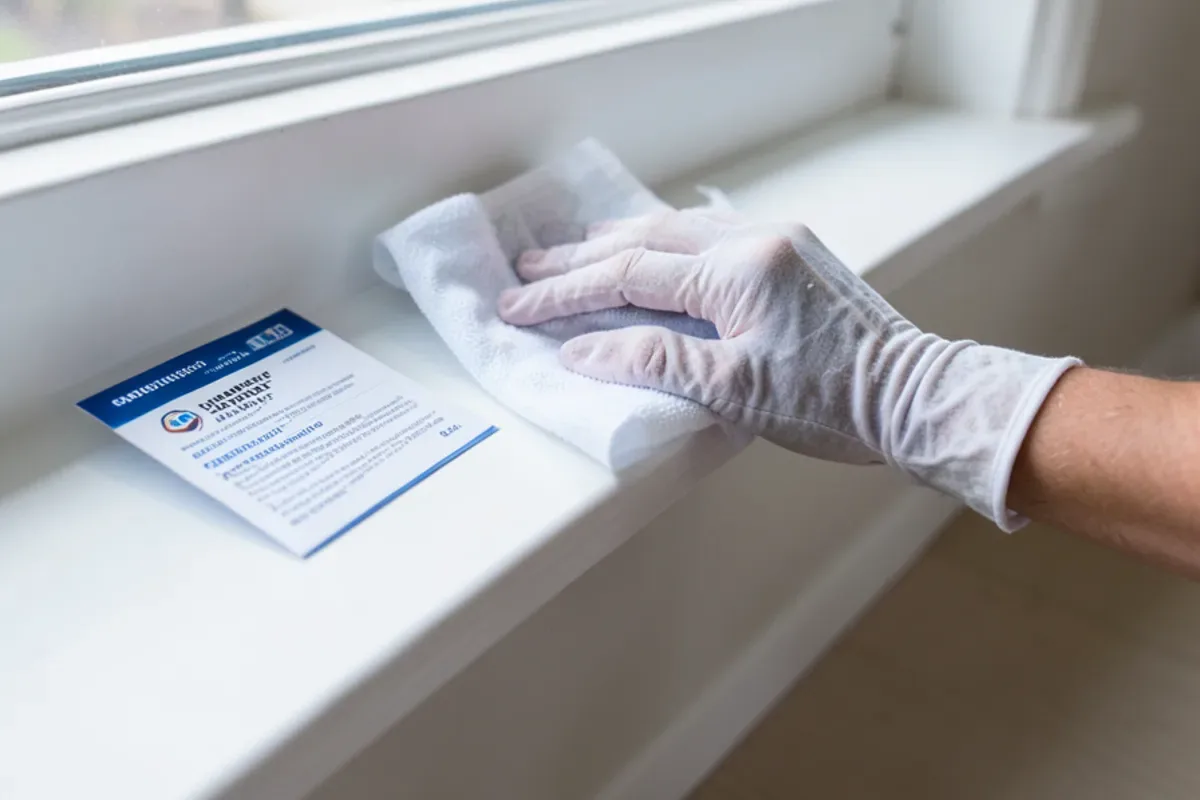
- Cleaning verification. The certified renovator wipes floors, counters and sills with wet disposable cloths and compares each to EPA's cleaning verification card, re-cleaning until the surfaces pass.
Where Lead-Safe Steps Land in a Typical Kitchen Remodel
Lead-safe work is not one task at the start of the job. It attaches to every phase that disturbs paint, which is why it belongs in the schedule and the estimate:
| Remodel phase | Painted surfaces disturbed | What lead-safe work adds |
|---|---|---|
| Demolition | Cabinets, trim, painted walls, doors | Full containment, misting and bagging debris, daily HEPA cleanup |
| Opening walls for wiring or plumbing | Painted drywall or plaster | Contained cuts, HEPA-shrouded tools, no dry sweeping |
| Window or door replacement | Sashes, casings, jambs | Covered by the rule no matter how small the area |
| Surface prep before paint | Remaining original trim and walls | Wet sanding or HEPA-attached sanders only |
| Closeout | All horizontal surfaces in the work area | Final cleaning and cleaning verification before containment comes down |
Phases that touch only new materials, such as setting cabinets or tile on new backer board, usually need no extra steps once the area has passed verification.
What You Can Do While the Work Is Underway
Homeowners have a role too. Keep children and pets out of the work area entirely, and stay out of the sealed space yourself. Ask the crew which HVAC registers are closed and leave them that way until verification is done. Take the Renovate Right pamphlet seriously; it explains the hazard in plain language. When the job ends, ask the firm for a copy of its records showing the rule was followed, and keep it with your house papers for a future sale.
Older Homes in Highland Park and Farmers Branch
The rule applies the same way across Dallas County, but the housing differs. In Highland Park, homes from the 1910s to the 1930s often have original plaster, wood windows and built-ins with many paint layers, so window and trim work almost always falls under RRP. Highland Park runs its own building inspection, separate from Dallas.
In Farmers Branch, 1950s and 1960s ranch homes inside LBJ Freeway are common candidates for opened kitchens. Removing a painted wall or original cabinets in those houses crosses the rule's thresholds quickly.
For more on that era of house, read our guide to remodeling a mid-century ranch.
How Our Project Leads Plan Around Lead in Older Homes
Our project leads plan lead-safe work at the estimate stage, not on demolition day. Knowing the build year shapes the schedule, because containment and cleaning verification add steps to each phase that disturbs paint, and families with young children may decide to stay elsewhere during that work.
They also encourage homeowners to ask every contractor bidding a pre-1978 job the same questions: Is the firm RRP-certified? Who is the certified renovator on this project? How will the work area be contained and verified clean? A clear answer to each is a good sign.
The trade-off they explain honestly is cost against shortcuts. Lead-safe containment and verification take labor and materials, so a pre-1978 estimate that leaves them out will look cheaper. That lower number usually means the work is being skipped, not done more efficiently, and the dust ends up in the house.
Planning a Lead-Safe Remodel
If your home was built before 1978, plan for the RRP rule from the first estimate. Our mid-century home remodel page covers the other surprises common in older houses, and our home remodeling page explains how a full project runs. Schedule a consultation to talk through your home's age and scope.
Quick Answers on Lead Safe Remodeling Pre 1978 Home
Does the EPA lead rule apply if I do the remodeling work myself?
How do I know if my Dallas home has lead paint?
Does lead-safe work make a remodel take longer?
Should a family with young children move out during a lead-safe remodel?
Sources

Written by the Six Design Group team
Design-build remodelers based in Lake Highlands, Dallas. We plan and build kitchens, bathrooms, floors and whole-home remodels across Dallas-Fort Worth.