
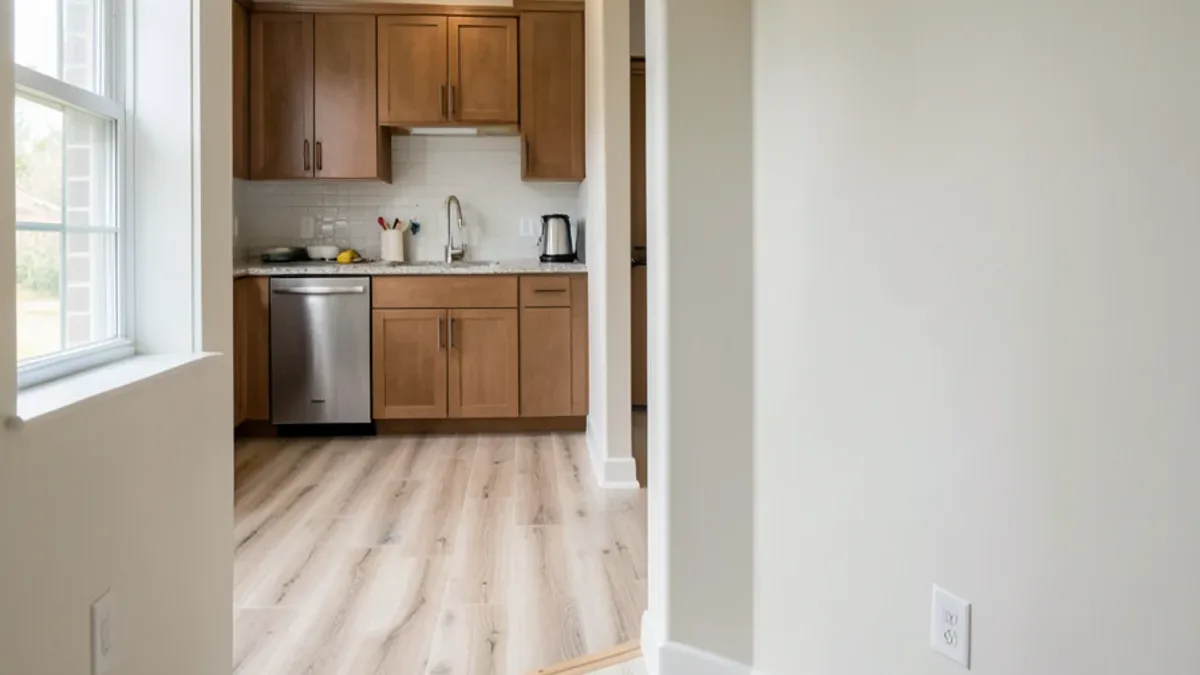
Hardwood vs luxury vinyl plank in a Dallas home usually comes down to water and wear. Luxury vinyl plank (LVP) is waterproof, scratch-resistant and floats easily over a concrete slab. Hardwood feels warmer, can be refinished for decades and generally carries more resale appeal. Many homes use both: hardwood in living areas, LVP where water lives.
Below: a side-by-side table, what a Dallas slab asks of each floor, the specs worth reading on a sample, and a room-by-room plan.
How Hardwood and LVP Compare
The two floors are built very differently, and that drives every practical difference. Hardwood is real wood, either solid boards or engineered planks with a hardwood wear layer over a plywood core. LVP is a layered synthetic plank with a printed wood image under a clear wear layer, usually on a rigid stone-plastic or wood-plastic core.
| Factor | Hardwood | Luxury vinyl plank |
|---|---|---|
| Water | Swells and cups if wet for long | Planks are waterproof; seams are not sealed |
| Scratches | Softer; shows dents and scratches | Very scratch resistant, depending on wear layer |
| On a concrete slab | Engineered glue-down or floated | Floats over most flat slabs |
| Refinishing | Can be sanded and refinished | Cannot be refinished; worn planks are replaced |
| Feel | Warm, natural, solid underfoot | Harder, cooler; quieter with an attached pad |
| Resale perception | Strong | Accepted, especially in wet rooms |
| Relative cost | Usually higher | Usually lower |
Planning a Flooring Project?
Six Design Group designs and builds kitchens, baths and floors from Lake Highlands. Call to talk through your home and get a written scope.
- 34 Google reviews
- Design and build under one team
- Based in Lake Highlands, Dallas
- Mon–Fri 9 am–5 pm
Hardwood vs Luxury Vinyl Plank on a Dallas Slab
Most Dallas homes sit on concrete slabs, and that shapes which version of each floor makes sense. A slab can carry moisture up from the ground, and Blackland Prairie clay moves the slab slightly with wet and dry seasons.
For hardwood on a slab, engineered planks are the usual choice. They are dimensionally more stable than solid boards, and they can be glued directly to the concrete or floated over a pad with a moisture barrier. Before installation, the slab should be tested for moisture and checked for flatness. Our hardwood flooring page covers both methods.
For LVP, the main requirement is flatness. Floating floors need a flat substrate, so high spots are ground down and low spots filled before planks go in. Rigid-core LVP tolerates small imperfections better than thin, flexible vinyl, but it still telegraphs dips and humps over time.
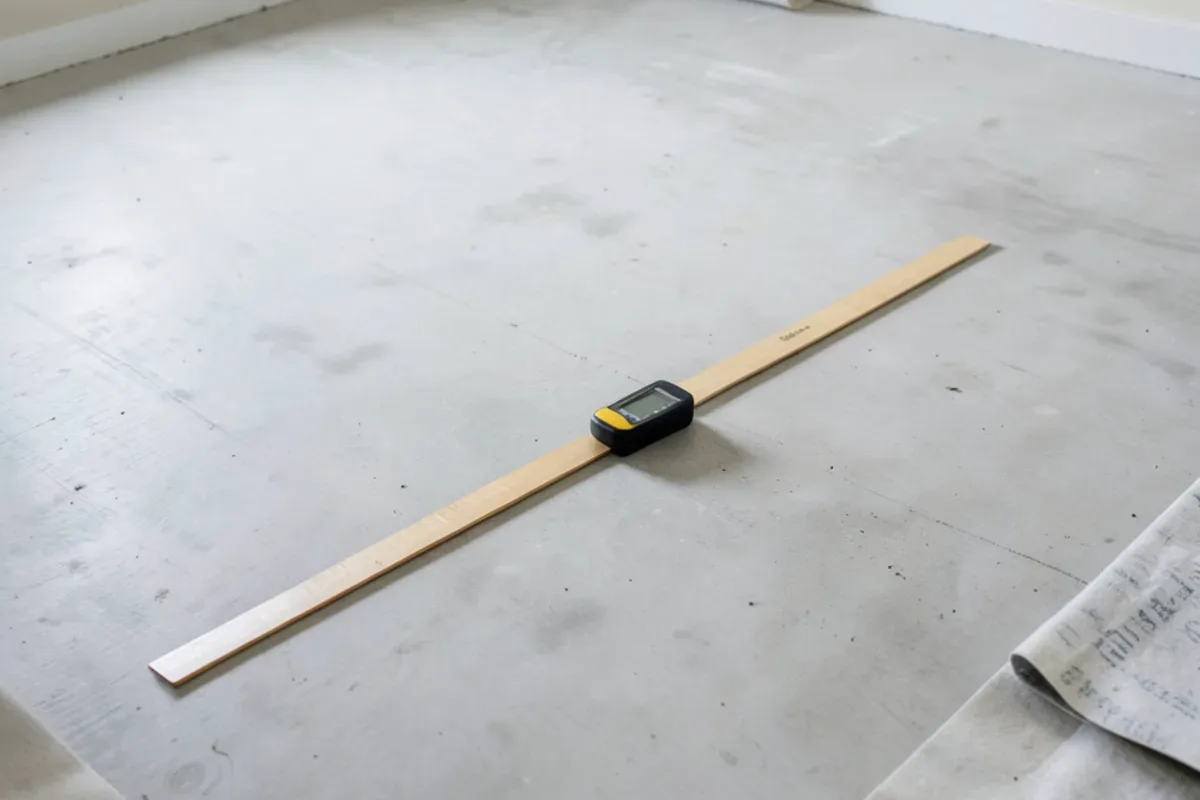
How a slab gets tested before either floor
Moisture testing is not a guess with a hand meter. Two ASTM methods are standard for concrete:
- ASTM F2170, in-situ relative humidity. Small holes are drilled into the slab, probes sit in them, and the reading shows how much moisture is inside the concrete, not just at the surface.
- ASTM F1869, calcium chloride. A dish of calcium chloride sits under a sealed dome on the slab, and its weight gain shows how much vapor the surface releases over a set period.
The result is compared with the limit printed in the flooring maker's installation guide. Each product sets its own, and a floor installed above it may no longer be covered by the manufacturer. Flatness is checked the same way, against the tolerance in that guide, usually given as a fraction of an inch over 6 or 10 feet.
Which Lasts Longer: Hardwood or LVP?
Hardwood lasts longer overall because it can be renewed. A solid hardwood floor can be sanded and refinished several times over its life, and many engineered floors with a thick wear layer can be refinished at least once. LVP cannot be sanded; when its wear layer wears through, the planks are replaced.
Day to day, though, LVP resists scratches and dents better than most hardwood, especially with dogs and kids. What to check on each:
- Engineered hardwood: the thickness of the top wood layer, which decides how many times it can be refinished.
- Solid hardwood: species hardness; white oak is a common middle-ground choice.
- LVP: the wear layer thickness, measured in mils. Thicker wear layers suit kitchens and high-traffic areas.
- Both: the finish. A factory-applied finish on prefinished hardwood is usually tougher than a site-applied one.
- Both: indoor-air labels. FloorScore certification on vinyl and CARB Phase 2 or TSCA Title VI compliance on engineered wood tell you the product was tested for emissions.
Heat, sun and the Texas afternoon
LVP has one weakness that matters in North Texas: heat. Vinyl expands with temperature, and planks in front of large west- or south-facing glass can gap, peak or fade in strong afternoon sun. Most makers set a temperature range and expansion gaps in their installation guides, and some exclude sunrooms entirely. Hardwood reacts to humidity more than heat, so long dry spells with the air conditioning running can open small gaps between boards that close again when humidity returns.
Either way, window treatments on the hottest exposures protect the floor, and the installer should leave the expansion space the guide calls for at walls and doorways.
Where Each Floor Belongs in the House
The best plan often uses each floor where it performs best, rather than choosing one for the whole house.
- Living and dining rooms, bedrooms, halls: hardwood for warmth and resale.
- Kitchens: either. Hardwood is common in open plans; LVP handles spills and dropped pans better.
- Bathrooms and laundry rooms: LVP or tile, never solid hardwood.
- Rentals and flips: LVP for durability and easy plank replacement.
If you want one continuous floor through an open kitchen and living room, choose the material that suits the wettest room, or plan a clean transition at a natural break.
A quick decision check
Choose hardwood if most of these are true:
- The floor is in living areas, bedrooms or halls, away from daily water.
- You plan to stay long enough to refinish it someday.
- Original oak already exists under carpet and can be matched or restored.
- You value a warm, natural feel over maximum scratch resistance.
Choose LVP if most of these are true:
- The room has water: a kitchen sink, a laundry, a bath or a door to the yard.
- Large dogs, small children or a rental tenant will test the surface daily.
- The budget has to cover more square footage at once.
- You need a floor that can float over a slab that cannot be made dry enough for glue-down wood. Our luxury vinyl plank page covers kitchen and bath installations.
What Our Project Leads See in Dallas and Carrollton Homes
Our project leads find that the house's age and foundation often decide the question. In Dallas neighborhoods such as Lake Highlands, Lakewood and Oak Cliff, many 1920s to 1960s homes still have original oak floors, sometimes hidden under carpet. Refinishing those is often better than replacing them with anything new.
In Carrollton, the 1970s and 1980s homes on the south side near Old Downtown Carrollton's square are generally built on concrete slabs, like most North Texas houses of that era. When dated flooring comes out there, engineered hardwood for living areas and LVP for kitchens and baths is a pairing that suits the slab and the budget.
A few habits help in every home:
- Let new hardwood acclimate in the house with the air conditioning running. The NWFA's guidance is to acclimate wood to the moisture conditions the room will normally have, rather than for a fixed number of days.
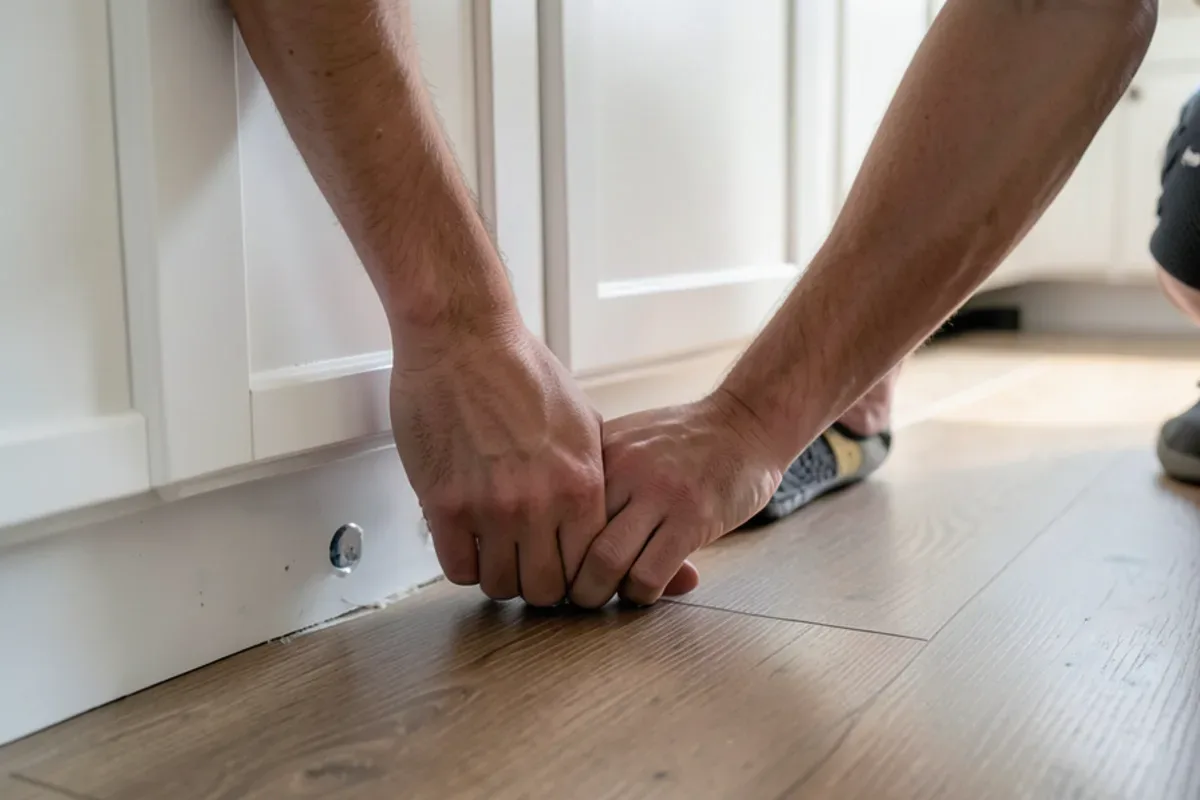
- Do not set heavy cabinets or islands on top of a floating LVP floor unless the manufacturer allows it; install the floor around them instead.
- Plan transitions at doorways before ordering, so floor heights line up.
The honest trade-off we explain most often: LVP wins the first five years in a busy kitchen, and hardwood wins the next twenty in a living room. A floor that cannot be refinished has a fixed life, while one that can be sanded resets every time it is refinished. That is why we rarely recommend pulling sound original oak to install vinyl in the same room.
Choosing the Right Floor
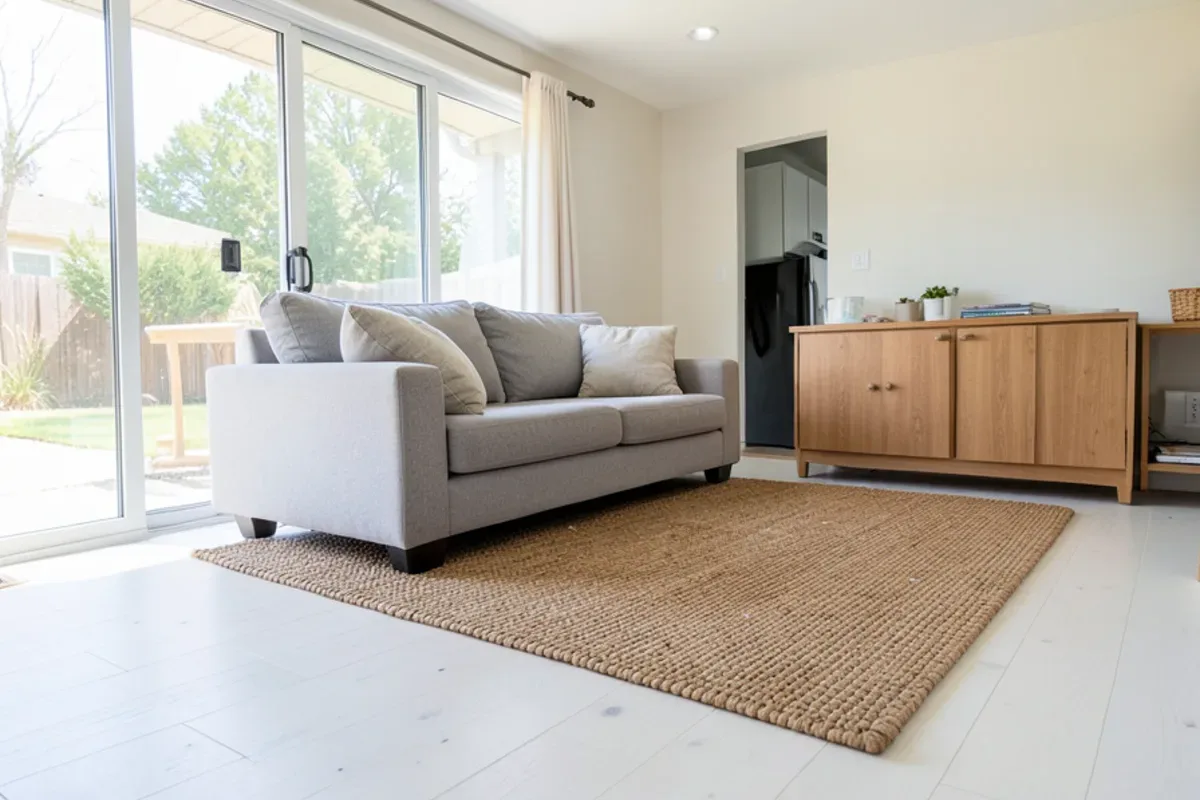
Choose hardwood where you want warmth, longevity and resale appeal. Choose LVP where water, pets or heavy traffic rule. Mixing the two thoughtfully gives you the best of both.
See all of our flooring services for installation, repair and refinishing, and schedule a consultation to look at samples in your own light.
Quick Answers on Hardwood Vs Luxury Vinyl Plank
Can hardwood go directly on a concrete slab?
Does a waterproof LVP core mean a leak cannot damage the floor?
Will vinyl plank move or fade near large sunny windows?
Which floor adds more value when I sell?
Sources

Written by the Six Design Group team
Design-build remodelers based in Lake Highlands, Dallas. We plan and build kitchens, bathrooms, floors and whole-home remodels across Dallas-Fort Worth.